7 Best Dumbbell Weight Sets for Home and Commercial Gyms
A good Weights Dumbbells Set should fit the room, the training plan, and the people using it. In a home gym, that may mean adjustable weights that slide beneath a bench. In a commercial space, it may mean fixed pairs, clear markings, and racks that keep busy floors organized. Small details matter. A loose handle or crowded storage area can interrupt a workout.
Pavel Tsatsouline, strength coach and StrongFirst founder, is widely associated with the phrase, “Strength is a skill.” It is a useful reminder that equipment supports training, but does not replace sound technique or consistent practice. This guide compares seven dumbbell sets for home and commercial gyms, considering weight range, adjustment method, grip, durability, storage, and likely value. Those factors can help narrow the options, though no single set suits every lifter or budget.
For home users, the right choice may depend on available floor space and how quickly weights can be changed between exercises. Gym owners may care more about frequent handling, clear weight labels, and reliable rack storage. We also consider practical trade-offs, not just polished product features. Adjustable sets save space, but changing plates can slow a session. Fixed dumbbells are convenient, but need more room. Neither option is perfect. A product can look sturdy in photos and still feel awkward in the hand, so specifications deserve a close read. These picks offer a starting point, not a substitute for checking fit, warranty, and current availability.
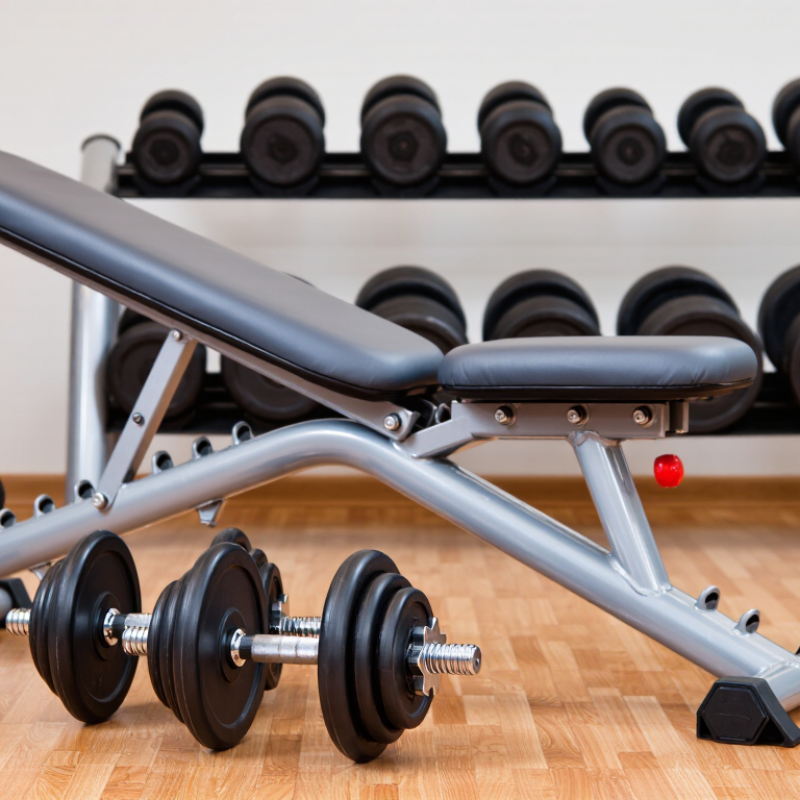
Dumbbell Weight Sets: Types, Components, and Common Uses
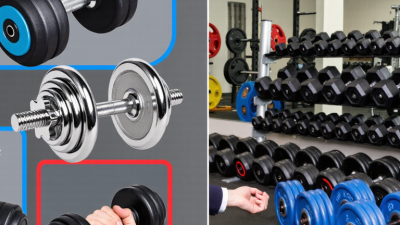
Dumbbell sets generally come in three forms: fixed, adjustable plate-loaded, and selectorized. Fixed dumbbells are fast to pick up and suit busy gym floors, but need more storage space. Adjustable sets use plates, handles, and collars; selectorized designs change load with a pin. Each has trade-offs. Check the handle grip, plate fit, and locking mechanism before regular use. Small detail: collars matter.
The American College of Sports Medicine’s 2025 Worldwide Survey of Fitness Trends ranked traditional strength training fifth among surveyed trends. It measures fitness trends, not dumbbell sales, but signals continuing interest in resistance exercise. At home, adjustable sets can support presses, rows, lunges, and lighter rehabilitation exercises without filling a room. In commercial gyms, fixed sets allow quick weight changes between users. A rack keeps pairs organized and reduces clutter. For shared spaces, clear weight markings help users select loads accurately. Still, a full set is not automatically the best choice; available floor space, user experience, and cleaning routines deserve equal attention. A small, well-used range may serve better than an impressive but neglected rack.
How to Evaluate Sets for Home and Commercial Gyms
Evaluate a dumbbell set by how well its weight range fits the people who will use it. A home user may value lighter increments for gradual strength training, while a busy gym needs enough pairs to reduce waiting. Check whether the set includes matching weights and whether its smallest jumps feel manageable. A jump from 10 to 15 pounds may be too large for some exercises.
Construction and storage matter, too. Inspect the handles for a secure, comfortable grip, especially if hands get sweaty. Look for weights that sit steadily on a rack and resist rolling across the floor. In a commercial gym, frequent handling can expose loose fittings or worn coatings sooner. For home use, measure the storage area before buying; a compact set can still take up more room than expected. Durability is important, but it does not guarantee a perfect fit for every user.
Tips: If possible, lift a sample weight before choosing. Check the grip, balance, and ease of setting it down. Compare the set’s full weight range with your actual training plan, not an idealized one. I’d reconsider a set with awkward increments, even if the price seems appealing.
Seven Dumbbell Weight Sets and Their Key Features
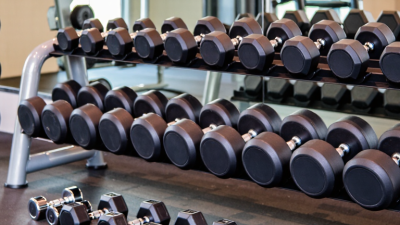
Seven dumbbell weight sets suit different training spaces. Fixed hex dumbbells resist rolling and work well for rows, presses, and floor exercises. Round rubber-coated dumbbells are easier to place on racks, though they may roll if left loose. Urethane-coated sets offer a durable finish for busy gyms. Adjustable selectorized sets change weight quickly, but their handles can feel bulky. Spinlock sets use plates secured by threaded collars; they are compact, yet changes take longer. Studio sets with a rack keep lighter pairs organized and visible. Fractional-weight sets add small increments for gradual strength progress. Small details matter.
For home use, compare the full weight range with your available floor space. A sturdy rack helps prevent clutter and reduces trip hazards. In commercial gyms, inspect handle knurling, coating, and storage before buying; these parts take frequent wear. Check that each pair feels balanced, since uneven loading can affect control. No design is perfect. Even a durable set needs routine checks for loose collars, cracked coating, or unstable rack feet.
Tips: Leave clear space around the rack. Wipe handles after workouts, and store adjustable plates securely. Test the heaviest pair before committing.
7 Best Dumbbell Weight Sets for Home and Commercial Gyms - Seven Dumbbell Weight Sets and Their Key Features
| Set Type |
Typical Weight Coverage |
Weight Increments |
Key Features |
Best Suited For |
| Fixed Rubber Hex Dumbbell Set |
Pairs from 5 to 50 lb per dumbbell |
Usually 5 lb between pairs |
Hexagonal heads help prevent rolling; rubber coating can reduce noise and protect floors; quick to pick up and change. |
Home gyms and general strength training where floor space allows a rack. |
| Selectorized Adjustable Dumbbell Set |
Commonly adjustable from about 5 to 50 lb per dumbbell |
Model-dependent; often 2.5 or 5 lb steps |
A dial or pin selects the load, keeping multiple weight options in a compact footprint; the cradle stores unused plates. |
Home gyms with limited storage space and users who want fast weight changes. |
| Spinlock Plate-Loaded Dumbbell Set |
Often configured to reach roughly 25–50 lb per handle, depending on included plates |
Varies with plate sizes; small plates allow finer adjustments |
Plates slide onto threaded handles and are secured with collars; the load can be expanded with compatible plates. |
Budget-conscious home training and users who prefer adjustable, expandable equipment. |
| Neoprene-Coated Studio Dumbbell Set |
Commonly pairs from 1 to 10 lb |
Often 1 lb between pairs |
Compact, color-coded pairs are easy to identify; the coating provides a comfortable grip and helps protect surfaces. |
Light resistance work, group classes, rehabilitation exercises, and small home workout areas. |
| Commercial Urethane Dumbbell Set |
Frequently stocked in pairs from 5 to 100 lb or more |
Commonly 5 lb between pairs; heavier ranges may use larger steps |
Durable fixed construction is designed for frequent use; urethane coating resists wear and can help reduce odor and surface damage. |
Commercial gyms and dedicated training spaces with a suitable dumbbell rack. |
| Loadable Handle and Plate Set |
Capacity depends on handle length and plates; many home configurations can be built for moderate to heavy loads |
Set by the plates used; smaller plates provide finer changes |
Uses separate handles, plates, and collars; components can often be shared with compatible barbell equipment. |
Home gyms that already own weight plates or want a flexible, expandable setup. |
| Fixed Round-Head Dumbbell Set |
Commonly pairs from 5 to 50 lb, with broader ranges available |
Usually 5 lb between pairs |
Solid, fixed-weight construction offers simple handling and a traditional shape; a rack keeps pairs organized. |
Home or commercial users who prefer fixed weights and have enough space for organized storage. |
| Selection note: Weight ranges and increments shown are common configurations, not specifications for a particular product. Confirm the included weights, adjustment steps, handle compatibility, storage requirements, and maximum load before purchasing. |
Comparing Weight Range, Durability, Storage, and Cost
A useful dumbbell set should match the lifts you actually do, not simply offer the highest total weight. For home use, adjustable sets save floor space, but changing plates interrupts fast circuits. Fixed dumbbells are quicker to grab and easier to share in busy commercial gyms. Check the smallest weight increments, too; a jump from 10 to 20 pounds can stall gradual progress.
Durability depends on more than a tough-looking coating. Inspect handle knurling, plate fit, seams, and the stability of the storage rack. Loose plates can rattle during a set, while worn grips become slippery with sweat. Small details matter. Commercial buyers should prioritize replaceable components and clear warranty terms; home users may accept fewer features for a lower upfront cost. Compare price per usable pound, but include the rack and any required add-on plates.
The SFIA 2024 Topline Participation Report found that 78.8% of Americans took part in at least one sport or fitness activity in 2023. That figure does not measure dumbbell ownership, but it shows why versatile home equipment matters. Before buying, measure the rack footprint and doorway clearance, then list the heaviest loads you expect to use. A cheaper set can be the wrong value if its range runs out quickly. And honestly, many buyers overestimate how much weight they need.
7 Dumbbell Set Types for Home and Commercial Gyms
Indicative comparison of weight-range versatility, durability, storage efficiency, and affordability. Scores run from 1 (low) to 5 (high); higher affordability means lower typical cost.
Typical configurations and approximate US set prices vary by materials and included weights: neoprene fixed pairs, 2–20 lb ($100–$350); home hex fixed pairs, 5–50 lb ($500–$1,500); commercial rubber fixed pairs, 5–100 lb ($2,000–$6,000); spinlock adjustable sets, 5–100 lb ($80–$250); selectorized adjustable pairs, 5–50 lb ($300–$700); dial-adjustable pairs, 5–90 lb ($400–$900); and loadable handles, roughly 5–200 lb with plates ($150–$500). Scores are broad estimates for generic configurations, not lab-test results or evaluations of specific products.
Choosing a Set for Your Space, Training Needs, and Gym Traffic
Choosing dumbbells starts with the room, not the weight range. Measure the rack footprint and leave a clear lane for people carrying weights. In a compact home gym, an adjustable set can replace several pairs, though changing plates interrupts fast circuits. Fixed dumbbells are easier to grab. They also need more floor space. For shared or commercial rooms, consider pairs across popular increments, sturdy racks, and handles that remain easy to clean. Small details matter.
Training needs should shape the range. Beginners often benefit from lighter options for shoulder raises and heavier ones for squats or rows; one pair rarely suits every movement. The ACSM’s 2023 Worldwide Survey of Fitness Trends placed strength training with free weights fourth among its reported trends. That signals broad professional interest, not a guarantee of local demand. Watch peak-hour use before buying: which weights are repeatedly occupied, and where do queues form? A simple usage log can reveal gaps better than guesswork. It may still miss seasonal changes.
Gym traffic changes the trade-offs. In busy facilities, a full, clearly labeled rack can reduce weight-hunting and interruptions. For home use, storage and noise may matter more than offering every increment. Check that dumbbells sit securely, grips feel stable with sweaty hands, and the rack does not block exits. Not glamorous. Also, even a well-planned range can leave awkward gaps between weights; test the increments against actual workouts before expanding the set.