- Home
- Products
- About Us
- News
- Contact Us
Leave Your Message
Why Are Gym Dumbbells Essential for Every Workout?
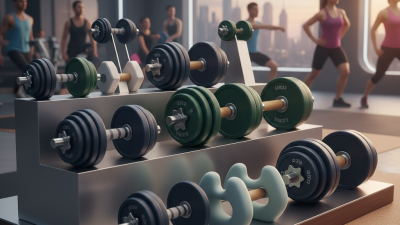
A strong workout does not require complicated equipment. It requires controllable resistance, clear technique, and consistent progression. Gym Dumbbells provide these essentials in a compact, measurable form. They allow pressing, rowing, squatting, hinging, carrying, and rotational movements. Each hand can work independently. That detail exposes strength imbalances that barbells may sometimes hide.
The World Health Organization recommends muscle-strengthening activities for all major muscle groups on at least two days weekly. The 2024 ACSM Worldwide Survey of Fitness Trends also ranked traditional strength training among the leading global exercise trends. These findings support resistance training as a practical foundation, not a passing fashion. Dumbbells fit this foundation well because users can increase load gradually, change movement angles, and train effectively in busy commercial gyms or small home spaces. Even a bench, two dumbbells, and a stable floor can create a demanding session.
Strength coach Dan John often says, “The goal is to keep the goal the goal.” His principle applies directly here. If the goal is stronger legs, steadier shoulders, or better daily movement, dumbbells keep attention on execution and progression. They are not magic.
Grip may fail early. Balance can limit heavier lifts. Poor form still creates problems. These imperfections matter. A thoughtful program should include warm-ups, safe loading, rest, and occasional professional guidance. Gym Dumbbells become essential when they support consistent, purposeful training rather than replace sound judgment.
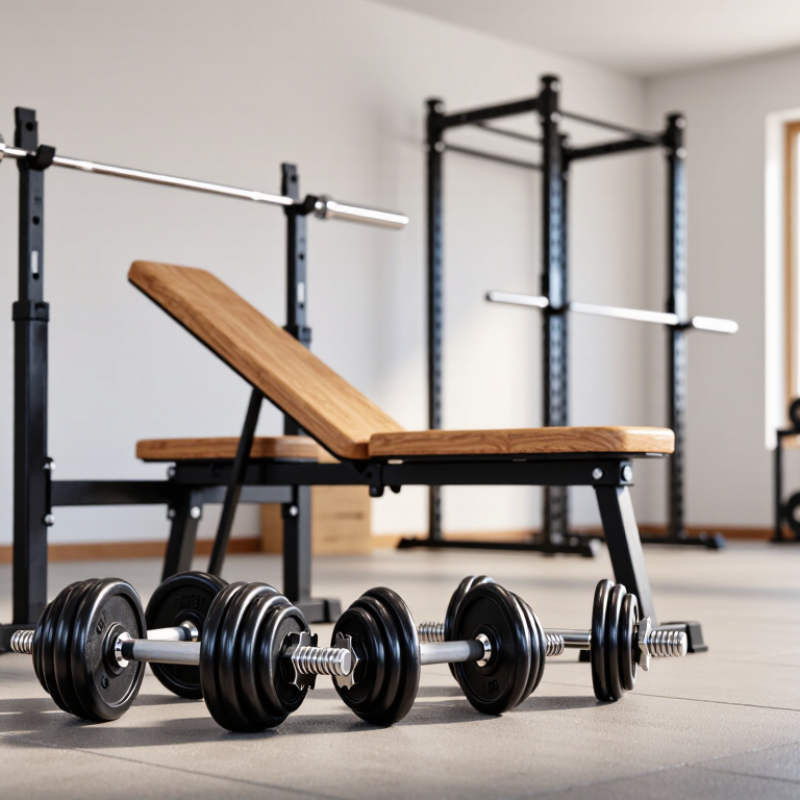
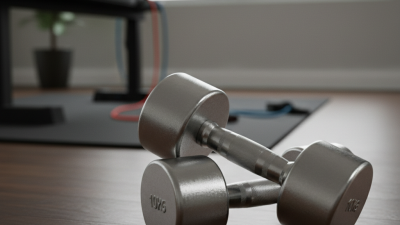
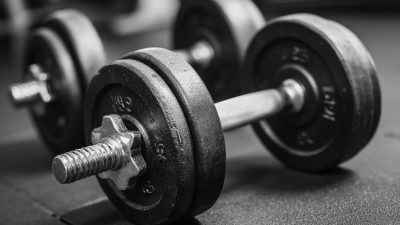
Gym dumbbells are handheld free weights used to create resistance during strength training. Unlike machines, they demand control through each repetition. A pair can support presses, rows, squats, lunges, curls, and carries. Their small size also makes loading practical in a busy gym. Fixed dumbbells offer quick changes, while adjustable models allow gradual progression. That distinction matters when matching weight to skill and exercise. A reliable starting point is a load you can lift with steady form. The final repetitions should feel challenging, not chaotic. Too heavy.
In practical coaching sessions, dumbbells often reveal differences between the left and right sides. One arm may wobble during a shoulder press, or one leg may shift during a split squat. This feedback helps users reduce momentum and improve positioning. Research-informed strength training generally favors progressive overload, adequate recovery, and consistent technique. Dumbbells support these principles through small weight increases and varied movement angles. They also train stabilizing muscles because each hand controls its own load. Still, this benefit is not automatic. I once added weight too quickly and shortened every repetition. I was wrong. The numbers looked impressive; the movement was worse. Recording weight, repetitions, and form quality can make progress easier to assess. A qualified trainer or health professional can help adjust technique when pain, injury, or uncertainty appears.
| Dimension | Practical Data or Definition | How It Supports Strength Training | Typical Exercise Examples |
|---|---|---|---|
| What gym dumbbells are | Handheld free weights designed to be used individually or as a pair. | They allow each arm or leg to work independently, helping expose side-to-side strength differences. | Dumbbell press, row, curl, lunge |
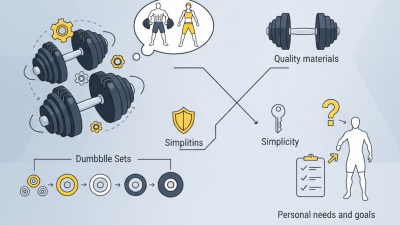
| Weight formats | Common formats include fixed-weight dumbbells and adjustable dumbbells with removable plates or selector mechanisms. | Fixed weights offer quick transitions; adjustable weights can provide multiple loading options in limited space. | Fixed-weight presses; adjustable-weight progressive sets |
| Movement freedom | Unlike a barbell, dumbbells are not connected, so the hands can follow a more natural path. | The increased freedom can support a wider range of pressing, pulling, carrying, and unilateral movements. | Neutral-grip press, one-arm row, farmer’s carry |
| Primary training effect | External resistance makes muscles produce force against a load. | Consistent resistance training can improve muscular strength, muscle size, and local muscular endurance when programmed appropriately. | Squat, overhead press, Romanian deadlift |
| Major muscle groups | Dumbbells can train the chest, back, shoulders, arms, legs, hips, and core. | A single pair can support full-body programming by changing the exercise, grip, stance, or movement direction. | Goblet squat, chest-supported row, lateral raise |
| Unilateral training | One side of the body performs an exercise at a time. | Unilateral work can help develop coordination, balance, and more even contribution between limbs. | Single-arm press, split squat, one-arm row |
| Progressive overload | Training difficulty can be increased by adding load, repetitions, sets, range of motion, or control. | Dumbbells make load-based progression measurable, while other variables provide options when heavier weights are unavailable. | Increase load after completing the target repetitions with sound form |
| Typical repetition use | Dumbbells can be used for low, moderate, or high repetitions depending on the exercise and goal. | Different repetition ranges allow training to emphasize strength, hypertrophy, muscular endurance, or general fitness. | Heavy sets for strength; moderate sets for muscle growth; lighter sets for endurance |
| Space efficiency | One adjustable pair can replace several fixed-weight pairs, depending on its adjustment range. | This makes dumbbells practical for home gyms, compact training areas, and workouts requiring minimal equipment. | Full-body circuit using one adjustable pair |
| Stability demand | Each dumbbell must be controlled separately throughout the movement. | This may increase coordination and stabilization demands compared with some machine-based exercises. | Dumbbell bench press, overhead press, renegade row |
| Grip options | Common grips include pronated palms-down, supinated palms-up, and neutral palms-facing grips. | Changing grip orientation can alter joint positioning and the muscles’ mechanical demands. | Hammer curl, reverse fly, neutral-grip press |
| Safety considerations | Use a manageable load, controlled tempo, stable body position, and clear space around the training area. | Good technique and gradual progression help reduce avoidable training risks. Beginners should seek qualified instruction when needed. | Warm-up sets, controlled lowering, secure storage |
| Best overall use | Dumbbells are versatile tools for strength, muscle development, conditioning, rehabilitation-style movements, and general fitness. | Their portability, independent loading, and exercise variety make them suitable for beginners and experienced lifters. | Full-body workouts, upper/lower splits, circuits, and accessory training |
Note: The appropriate dumbbell weight depends on the exercise, training experience, technique, and individual goal. Choose a load that allows controlled repetitions through a comfortable range of motion.