Leave Your Message

How to Choose Steel Dumbbells for Wholesale Buying?

Choosing Steel Dumbbells for wholesale buying requires more than comparing prices on a supplier spreadsheet. A reliable decision begins with the actual training environment, target customers, and expected order volume. Commercial gyms may need thick steel handles, accurate weight markings, and finishes that tolerate daily drops. Home-fitness retailers may prioritize compact packaging, attractive surfaces, and lower shipping costs. Small details matter. A loose handle, uneven knurling, or chipped coating can create returns and damage customer trust. Ask suppliers for weight tolerances, material specifications, surface-treatment details, and production photographs. Request physical samples before approving a large order.

A strong wholesale evaluation also examines consistency across the entire batch. One excellent sample proves very little. Check several units for balance, diameter, grip comfort, weld quality, labeling, and packaging strength. A practical supplier should provide clear inspection records and answer technical questions without vague promises. Verify production capacity, lead times, replacement policies, and communication procedures before signing an agreement. Freight calculations deserve attention, because dense steel products can change the final margin quickly. Do not ignore warehouse handling. Each carton should protect corners and prevent movement during transport.

No checklist is perfect. Supplier claims still require verification. That is where careful sampling and independent inspection can reduce uncertainty. Buyers should also compare long-term durability, not only the lowest quote. A cheaper dumbbell may become expensive after complaints, replacements, and lost shelf space. This guide explains the key factors behind a dependable Steel Dumbbells purchasing decision, while recognizing that every market has different priorities. Good sourcing is not about finding a flawless option. It is about identifying manageable risks and making evidence-based trade-offs.
How to Choose Steel Dumbbells for Wholesale Buying?

Understanding Steel Dumbbell Types and Wholesale Specifications

How to Choose Steel Dumbbells for Wholesale Buying?

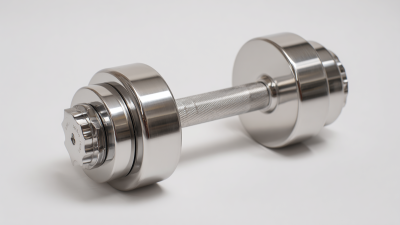
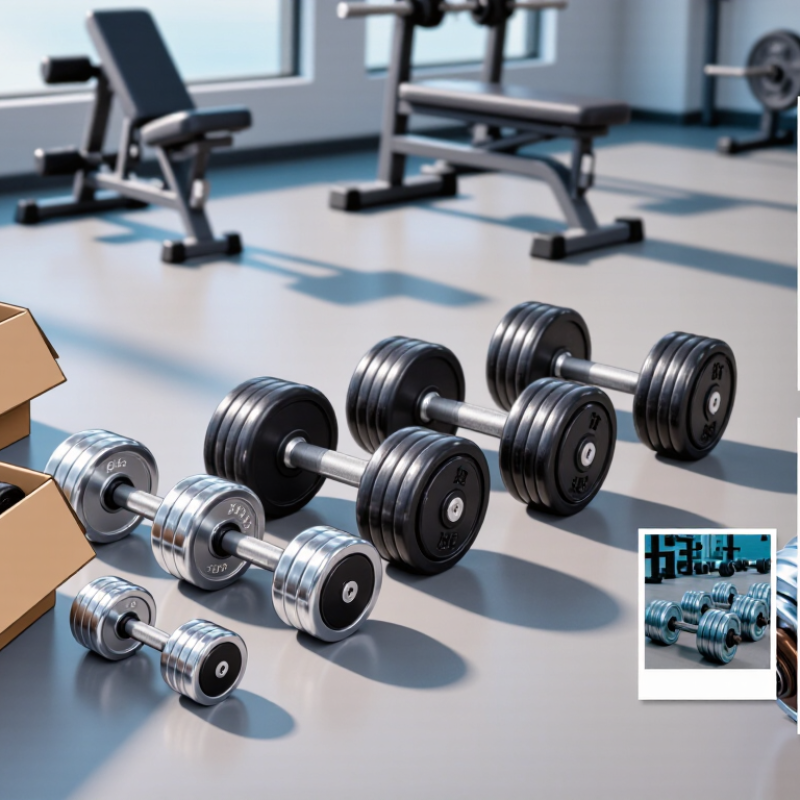
Steel dumbbells differ by shape, coating, handle, and adjustment system. Fixed hex dumbbells resist rolling and suit gyms with compact storage. Round dumbbells feel smoother during rows and presses, but they may move on open floors. Adjustable steel dumbbells reduce shipping volume, although their locking parts require closer inspection. Bare steel feels direct and durable. Chrome or powder-coated surfaces improve corrosion resistance. The choice depends on use, budget, and cleaning routines.

ACSM’s 2024 Worldwide Survey ranked traditional strength training among the leading fitness trends. This supports continued demand for reliable free weights. Grand View Research reports that the global fitness equipment market could grow at about 5.3% annually from 2024 to 2030. These figures do not guarantee dumbbell sales, but they indicate sustained equipment investment. Wholesale buyers should request weight tolerance, handle diameter, knurl depth, surface hardness, and coating thickness. A practical tolerance target is often within ±2% of labeled weight, but suppliers must document their testing method.

Check welds, end caps, sharp edges, and carton protection before ordering. Ask for drop-test records and corrosion-test results. ISO 20957-1 provides useful guidance for stationary training equipment safety, although dumbbells need product-specific inspection too. A 20-kilogram dumbbell should not arrive with a loose head. That sounds obvious. It still happens. Sample testing across several production batches is wiser than trusting one attractive sample. Also compare pallet dimensions, minimum order quantities, replacement policies, and actual landed costs. A cheap unit can become expensive after damaged deliveries and inconsistent weights.
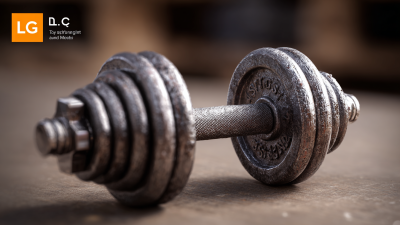
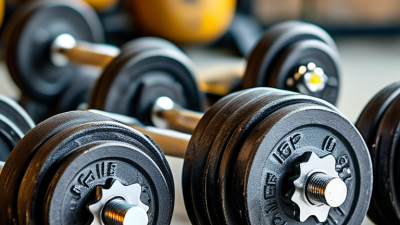
Assessing Weight Ranges, Handles, Coatings, and Overall Construction

For wholesale buyers, weight range should match the training habits of your target customers. A compact set from 2.5 to 25 kilograms suits many home and studio users. Commercial gyms may require heavier pairs, but storage and shipping costs increase quickly. Check each dumbbell against a calibrated scale. A small weight variation can become noticeable across a large order.

Handles deserve close inspection. A medium diameter usually supports different hand sizes without feeling bulky. Knurling should provide grip during sweating, but sharp edges can damage skin. Ask for production samples before confirming quantity. Test the handles with dry and damp hands. I once focused too much on aggressive knurling, and the grip felt uncomfortable after repeated curls. That decision needed reconsideration.

Coating affects durability, appearance, and maintenance. Rubber or urethane coverings can reduce floor noise, while painted steel may show chips sooner. Examine coating thickness around corners and handle joints. Look for bubbles, exposed metal, uneven seams, and strong chemical odors. Construction quality matters more than a polished surface. The head should sit securely, with no movement during controlled drops from low height. Inspect welds, casting lines, and end caps under bright light. Also review carton protection, because excellent dumbbells can arrive damaged in weak packaging. Request tolerance data, corrosion testing, and replacement procedures in writing. Details matter.

Comparing Suppliers, Manufacturing Standards, and Product Quality

When buying steel dumbbells wholesale, supplier comparison should begin beyond price. Review factory experience, production capacity, and quality control records. Ask for material specifications, inspection procedures, and recent batch reports. A reliable supplier should explain the steel grade, handle dimensions, weight tolerance, and surface treatment clearly. Vague answers create avoidable risks.

Manufacturing standards affect every shipment. Check whether the factory uses calibrated scales, controlled forging or casting processes, and documented final inspections. Examine sample dumbbells closely. The handles should feel balanced, with consistent knurling and no sharp edges. Welds, if present, must look even and secure. Request testing for weight accuracy, coating adhesion, corrosion resistance, and repeated impact. Small differences become expensive at scale.

Product quality is easier to judge through evidence than promises. Order samples from the actual production line, not specially prepared pieces. Compare several units from one carton. Check gaps, paint thickness, odors, packaging damage, and handle alignment. I once underestimated packaging strength, and several corners arrived scratched. The product was usable, but resale quality suffered. That mistake still influences my inspection checklist. Suppliers should accept reasonable third-party inspections and provide traceable batch information. Payment terms matter, but consistent quality matters more. A low quotation can hide higher replacement, storage, and customer-service costs.

How to Choose Steel Dumbbells for Wholesale Buying? - Comparing Suppliers, Manufacturing Standards, and Product Quality

Evaluation Dimension Recommended Wholesale Benchmark Acceptable Quality Evidence Why It Matters Suggested Buying Decision
Supplier Manufacturing Capability Dedicated metal-processing and finishing capability, with documented production procedures. Factory audit, process flow chart, equipment list, quality-control records, and production photographs. In-house control can reduce variation between batches and improve production traceability. Prioritize suppliers able to demonstrate repeatable processes rather than relying only on product samples.
Steel Material Low-carbon or comparable carbon steel with consistent density and suitable mechanical strength for the intended use. Material specification, incoming-material inspection records, and independent material test reports when required. Material consistency affects durability, machining performance, weight accuracy, and resistance to deformation. Request the material grade or specification in the purchase agreement; avoid descriptions such as “premium steel” without details.
Weight Accuracy Define a written tolerance before ordering; a practical commercial target is commonly within ±2% of the marked weight, subject to product specification. Calibrated-scale records, random sampling across the production batch, and a pre-shipment inspection report. Consistent weight is essential for commercial gyms, training programs, and customer confidence. Reject shipments that exceed the agreed tolerance or show inconsistent results across matching pairs.
Dimensional Consistency Matching handle diameter, head dimensions, overall length, and balanced geometry within approved sample limits. Approved reference sample, dimensional inspection sheet, caliper measurements, and pair-matching checks. Consistent dimensions improve handling, storage compatibility, and the appearance of retail sets. Approve a sealed reference sample and require production units to match it.
Handle Ergonomics Evenly finished grip area, no sharp edges, secure hand placement, and a surface suitable for the selected coating or bare-steel design. Manual handling inspection, edge-radius or burr inspection, grip measurement, and user evaluation of the production sample. Poorly finished handles can cause discomfort, skin irritation, or unsafe handling during repetitive exercise. Do not approve samples with burrs, sharp transitions, loose components, or excessively slippery surfaces.
Surface Finish Uniform finish with complete coverage, clean edges, and no visible rust, pinholes, peeling, or exposed areas unless the design is intentionally uncoated. Visual inspection under consistent lighting, coating-thickness records where applicable, and corrosion or adhesion testing based on the coating system. A reliable finish improves corrosion resistance, appearance, cleanability, and product service life. Specify the finish type, color tolerance, allowable defects, and inspection method in writing.
Structural Integrity Solid or securely assembled construction with no cracks, voids, movement, or deformation after handling and impact-related checks defined by the buyer. Production inspection, sample drop or impact testing under an agreed protocol, and checks for head-to-handle movement. Structural failure can create injury risks and costly product returns. Use a documented test method and acceptance limit; never rely only on visual inspection.
Corrosion Resistance Protection appropriate to the storage environment, including humidity, sweat exposure, transport conditions, and indoor or commercial-gym use. Coating specification, salt-spray or humidity-test results when relevant, and packaging designed to limit moisture exposure. Steel products can corrode when exposed to moisture, salts, condensation, or damaged coatings. Select the test requirement according to the market and environment rather than using one universal duration.
Quality Management System Documented inspection procedures covering incoming materials, in-process production, final inspection, nonconforming products, and corrective action. Current quality certificate where applicable, internal inspection forms, corrective-action records, and audit results. A system-based approach is more reliable than final visual checks alone. Treat certification as supporting evidence, not a substitute for product testing and supplier audits.
Safety and Regulatory Compliance Compliance with the destination market’s applicable consumer-product, chemical, labeling, packaging, and workplace-safety requirements. Applicable declarations, test reports from competent laboratories, chemical documentation for coatings, and correct warning labels. Requirements vary by country and product design; compliance reduces import, liability, and retail risks. Confirm destination-country requirements before production and identify who is responsible for compliance costs.
Packaging and Transport Protection Packaging must prevent movement, coating damage, moisture exposure, and carton failure during normal handling and international transport. Packaging trial, carton compression or handling evaluation, palletization plan, moisture protection, and shipping inspection photos. Many defects occur during logistics rather than manufacturing. Test the packed product before mass production and specify acceptable transport damage limits.
Batch Traceability Each shipment should be linked to production dates, raw-material records, inspection results, and quantity information. Batch codes, production records, packing lists, inspection reports, and retained samples. Traceability makes complaints, recalls, root-cause analysis, and repeat ordering more manageable. Require traceability information as part of the shipping-document package.
Pre-Shipment Inspection Inspection completed before dispatch, using an agreed sampling plan and written acceptance criteria. Independent inspection report or supplier report containing sample size, defects, measurements, photographs, and final result. Pre-shipment inspection can identify weight, appearance, quantity, and packaging problems before goods leave the factory. Use random inspection for repeat orders and more extensive checks for new suppliers or customized products.
Sample Approval and Change Control Mass production must match the approved sample, drawings, specifications, and packaging; changes require written approval. Signed sample approval, technical drawing, bill of materials, change-notification procedure, and retained reference sample. Unapproved material, coating, tooling, or packaging changes can alter product quality. Include change-control terms and remedies for nonconforming goods in the purchase contract.
Commercial Value Compare total landed cost, including unit price, tooling, testing, packaging, freight, duties, inspection, defect allowance, and warranty support. Itemized quotation, payment terms, lead time, defect-replacement policy, and historical quality performance. The lowest unit price may become more expensive after freight damage, returns, delays, or inconsistent quality. Select the supplier offering the best verified total value, not simply the lowest quoted price.

Note: The tolerances and inspection methods above are practical wholesale benchmarks, not universal legal requirements. Final specifications should be confirmed according to the dumbbell design, destination market, intended use, and written purchase agreement.

Calculating Wholesale Costs, Minimum Orders, and Shipping Requirements

How to Choose Steel Dumbbells for Wholesale Buying?

Wholesale pricing begins with landed cost, not the factory quotation. Add the dumbbell price, packaging, inland transport, inspection, insurance, duties, and ocean freight. For example, 100 pairs at $28 each may need $2.40 packaging per pair. If inland freight costs $180, shipping costs $650, and inspection costs $120, the estimated landed cost is $39.90 per pair. This estimate is not perfect. Confirm every charge in writing.

Minimum order quantity should match your storage space and sales forecast. Request prices for 50, 100, and 250 pairs. A larger order can reduce unit costs, but it may increase cash pressure and warehouse risk. Dense steel products also reach weight limits before filling container space. Ask for carton dimensions, gross weight, pallet count, and loading photos. Small details matter.

Shipping rates can change quickly. UNCTAD’s Review of Maritime Transport 2024 states that maritime transport carries over 80% of global trade by volume. The World Steel Association reported approximately 1.89 billion tonnes of crude steel production in 2023, showing the scale of steel demand and supply. Still, global steel output does not predict your exact purchase price. Request both EXW and FOB quotations, then compare them with current freight offers. A common mistake is choosing the lowest unit price while ignoring oversized cartons, port charges, or customs classification.

Checking Customization Options, Safety Features, and After-Sales Support

Wholesale buyers should treat customization as a production decision, not merely a logo request. Grand View Research estimated the global fitness equipment market at about USD 16 billion in 2023, with continued growth expected through 2030. That demand increases pressure on suppliers, so confirm steel grade, weight increments, surface finish, knurling depth, and packaging before ordering. Ask for a pre-production sample. A polished sample can still hide weak end caps or inaccurate weights.

Safety needs measurable checks. Request weight-tolerance records, weld inspections, corrosion testing, and drop-test procedures for each batch. ISO 20957-1 provides general safety requirements for stationary training equipment, while ISO 20957-2 addresses strength-training equipment. These standards may not answer every dumbbell question, but they create a useful testing framework. The U.S. Consumer Product Safety Commission’s injury surveillance data repeatedly shows that exercise equipment can cause substantial emergency-room injuries. Small design details matter. Rounded edges help. Secure handles matter more.

After-sales support should be written into the purchase agreement. Require batch traceability, replacement handles, spare end caps, complaint response times, and clear defect remedies. The 2024 SFIA Topline Participation Report recorded more than 240 million U.S. fitness and sports participants, suggesting sustained equipment demand and heavier commercial use. That figure does not guarantee your market. I would still test a mixed shipment under real gym conditions. Suppliers often promise fast support; fewer define “fast” in hours, parts, or responsibility. That gap deserves attention.