Leave Your Message

What Is a TPU Covered Dumbbell and Why Buy One?

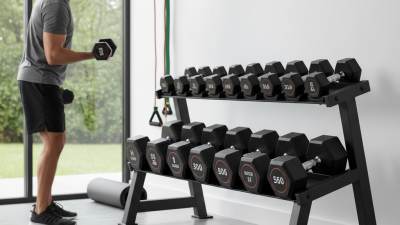
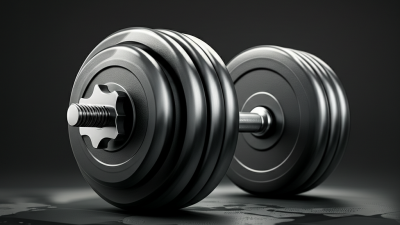
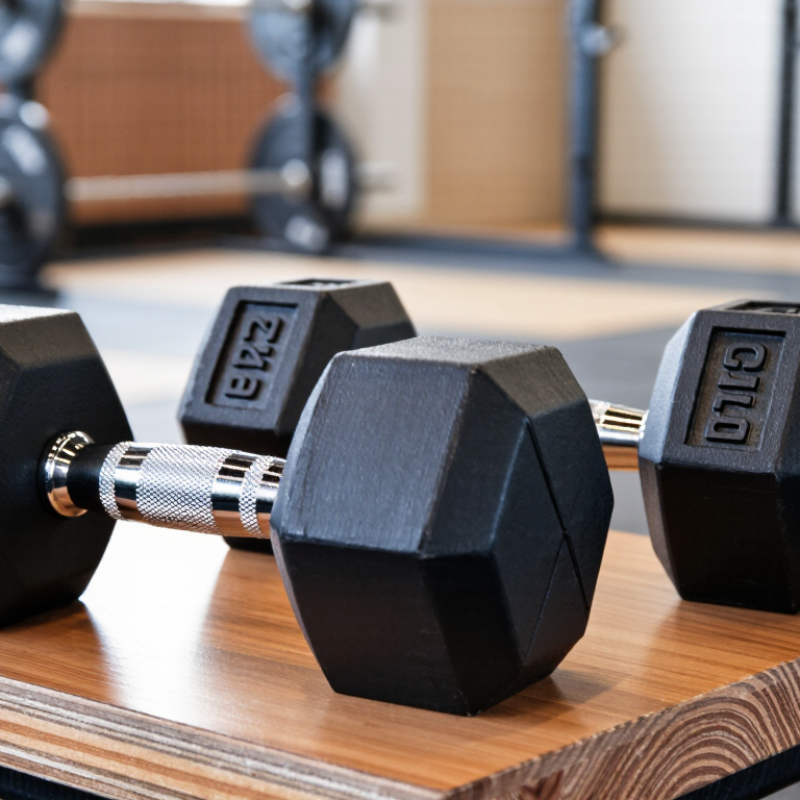
A Tpu Covered Dumbbell combines a solid metal core with a flexible thermoplastic polyurethane, or TPU, outer layer. This design creates a quieter, more comfortable training tool for homes, studios, and commercial gyms. The surface feels less harsh against flooring and resists many common scuffs, sweat marks, and minor impacts. That matters when dumbbells are placed beside a wooden bench or lowered after a demanding set.

Brad Schoenfeld, PhD, a respected resistance-training researcher, often emphasizes a simple principle: “The best training program is the one you can consistently follow.” A Tpu Covered Dumbbell supports that consistency by making everyday strength work more convenient. Its rounded coating can improve handling during presses, rows, curls, and controlled mobility exercises. Some users also appreciate the reduced clatter during early-morning or apartment workouts.

Still, TPU is not magic. A coating can tear when dragged across rough concrete, and poor manufacturing may produce an unpleasant odor or uneven grip. The dumbbell must still have accurate weight markings, balanced construction, and a secure core. These details are easy to overlook. They should not be.

Choosing this equipment involves more than selecting the brightest color. Consider the handle diameter, coating thickness, storage conditions, cleaning method, and available weight range. A durable Tpu Covered Dumbbell can protect floors and improve training comfort, but it cannot replace sound technique or sensible progression. The better purchase is the one that fits your space, your hands, and your long-term routine.
What Is a TPU Covered Dumbbell and Why Buy One?

What Is a TPU Covered Dumbbell?

A TPU covered dumbbell is a weight with a metal core and an outer layer made from thermoplastic polyurethane. The core provides resistance; the covering adds a smooth, slightly flexible surface. Unlike bare metal, TPU feels less cold in the hand and can help soften contact with floors. It is commonly shaped with a compact head and a grip designed for one-handed exercises.

The coating is not indestructible. Repeated drops, sharp edges, or rough storage can cause scuffs or cracks, so inspect the surface and handle regularly. A secure, dry grip matters too: the covering may feel comfortable, but sweat can still make any dumbbell slippery. Small details count.

Tips: Set the dumbbell down rather than dropping it, especially on hard flooring. Wipe away moisture after training, and store the weight where its heads cannot knock against other equipment. Check that the handle feels steady before each set. TPU can make daily use quieter and more pleasant, though it does not replace careful handling.
How Is a TPU Covered Dumbbell Designed and Made?

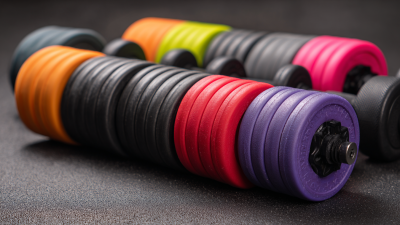
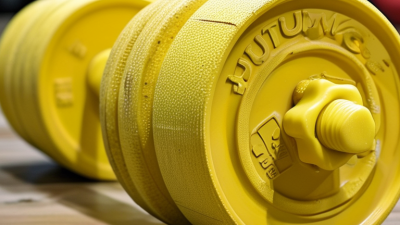
A TPU covered dumbbell begins with a dense iron or steel core, shaped to provide balanced weight distribution. The core is cleaned and inspected before the outer layer is applied. This step matters because dust or oil can weaken the bond.

TPU, or thermoplastic polyurethane, is selected for its flexibility, abrasion resistance, and softer hand feel. During production, heated TPU pellets are injected into a mold around the prepared core. Pressure must remain consistent. Otherwise, the coating may develop thin spots, air pockets, or uneven edges. The handle usually receives a textured pattern, giving sweaty hands more control during repeated lifts.

The mold design affects far more than appearance. Rounded corners reduce floor damage and make the dumbbell easier to move. Carefully placed seams also limit uncomfortable ridges in the palm. After molding, workers check dimensions, coating thickness, surface finish, and weight accuracy. Samples may undergo drop, compression, and repeated-use testing. These checks reveal weaknesses that visual inspection can miss.

Small variations still happen. A flawless-looking finish does not guarantee perfect balance. That trade-off deserves attention. In practical equipment evaluation, I would rotate the handle, inspect the seam, and place both ends on a flat surface. A reliable dumbbell should sit steadily, feel centered, and remain comfortable after several controlled repetitions.

What Is a TPU Covered Dumbbell and Why Buy One?

A TPU covered dumbbell combines a solid steel core with a molded thermoplastic polyurethane (TPU) outer layer. TPU provides a resilient, low-odor surface that helps reduce floor damage, noise, and everyday wear.

How Is a TPU Covered Dumbbell Designed and Made?

The steel core supplies the weight and strength, while the TPU cover is formed around it through a controlled molding process. Manufacturers commonly select different Shore A hardness levels to balance grip comfort, impact resistance, and surface durability.

What Are the Main Benefits of TPU Dumbbells?

A TPU covered dumbbell has a metal core wrapped in thermoplastic polyurethane. That outer layer feels softer than bare metal and may reduce clanging when a weight is set down carefully. It can also help protect floors from small scuffs, though no coating makes a dumbbell safe to drop. The smooth surface is easy to wipe after a sweaty session.

The main benefit is comfortable, practical handling. TPU often provides a steady grip without the cold feel of exposed steel. Its coating resists everyday wear and can be less prone to rust than an uncovered metal surface, but the core and hardware still need sensible care. For home workouts, quieter placement and a floor-friendly finish can matter, especially on hard flooring. The coating may also show scratches over time. That is worth considering.

Tips: Check the handle for a secure, even finish before buying. Keep the dumbbell dry, and place it down rather than dropping it. If your hands are very sweaty, test the grip; coated surfaces can feel slick to some users.

How Does TPU Compare With Other Dumbbell Coatings?

TPU-covered dumbbells sit between bare metal and traditional rubber-coated designs. Thermoplastic polyurethane forms a dense outer layer over a metal core. In use, it can soften the sharp clank of weights set down on a gym floor and provide a slightly grippy surface. The feel varies, though. Formulation and surface texture matter, so “TPU” alone does not guarantee a particular grip or lifespan.

Compared with rubber, TPU often offers good abrasion and oil resistance, while rubber may feel softer and absorb impact well. These are tendencies, not guarantees. ASTM D1044 evaluates abrasion resistance, and ASTM D2240 measures material hardness; neither standard declares one coating universally best. A harder coating may resist scuffs yet feel less forgiving when a dumbbell slips from the hand. Worth checking.

Urethane-coated weights are often chosen for a smooth finish and wear resistance, but quality depends on the formulation and bonding to the core. Chrome-plated metal has a hard, easy-to-wipe surface, but it offers less cushioning if dropped. For a home gym, inspect seams, odor, and coating thickness, then consider the floor beneath the rack. ASTM D2240 is useful for comparing hardness only when manufacturers provide test results under comparable conditions. Even then, a number cannot tell you exactly how the handle will feel after a sweaty set.

What Is a TPU Covered Dumbbell and Why Buy One? - How Does TPU Compare With Other Dumbbell Coatings?

Coating or feature What it is Typical advantages Things to consider Best suited for
TPU A thermoplastic polyurethane outer layer over a metal dumbbell head, commonly cast iron or steel. Offers a resilient surface, helps protect the underlying head and floor from everyday contact, and is generally resistant to oils and abrasion. Often has less rubber-like odor than some rubber coatings. Quality and thickness vary. It can still be damaged by sharp impacts, cutting, or prolonged exposure to unsuitable chemicals. Usually costs more than basic rubber-coated options. Home gyms and training spaces where a durable, easy-to-clean coating and a refined appearance are priorities.
Rubber Natural or synthetic rubber, or a rubber blend, applied to a metal head. Provides a protective, somewhat cushioning surface and is widely available in different shapes and weight ranges. Some products have a noticeable odor, especially when new. Rubber can wear, crack, or discolor depending on formulation, use, and storage conditions. General-purpose strength training where a familiar, widely available coated dumbbell is wanted.
Neoprene A soft synthetic rubber coating, commonly found on lighter dumbbells. Comfortable to hold and often available in easy-to-identify colors. The coating can make lighter weights more comfortable for many accessory exercises. The soft finish can scuff or tear, and neoprene-coated dumbbells are less common at heavy weights than metal or rubber-coated models. Lightweight home workouts, aerobics, and accessory exercises.
Chrome or bare metal A polished or plated metal surface, or an uncoated metal dumbbell head. Has a compact, hard surface and does not have a rubber or polymer coating that can peel away. Provides less cushioning on contact with floors and can be slippery if wet or oily. Plated finishes may scratch or corrode if damaged and poorly maintained. Users who prefer a traditional metal feel and can store and handle weights carefully.
Floor and noise impact A TPU layer can reduce direct metal-to-floor contact during ordinary placement, but no coating makes a dumbbell safe to drop on every floor. Use suitable flooring and follow the equipment’s use instructions.
Choosing a TPU dumbbell Check the stated weight, head shape, handle dimensions and finish, coating coverage, care instructions, and warranty. TPU describes the outer material; the dumbbell’s construction and durability also depend on the metal core and manufacturing quality.

What Should You Consider Before Buying One?

Before buying a TPU-covered dumbbell, check its weight, shape, grip, and storage needs. TPU is a tough polymer coating, but coverage alone does not guarantee a comfortable or durable tool. Look for a smooth finish without seams or raised edges where sweat and dust can collect. If possible, hold the dumbbell: the handle should feel secure, not slick, and leave room for your fingers without pinching.

Weight matters more than a polished coating. The World Health Organization’s 2020 physical activity guidelines recommend muscle-strengthening activity on at least two days each week for adults. That makes manageable, repeatable training a practical priority. Choose a weight you can control through your intended movements, and consider whether adjustable options or several fixed weights better fit your routine. Check the handle diameter and overall length, too. A bulky head can bump your wrist during a curl.

Inspect the construction and care instructions before purchasing. Ask whether the coating is bonded evenly, and check for a stable, flat resting surface. A wobbly dumbbell is frustrating. It may also scratch flooring if stored carelessly. TPU can resist everyday wear, but it is not indestructible; sharp edges, heat, and rough handling can shorten its life. One detail is easy to overlook: a strong chemical odor may fade, but it can still be unpleasant in a small room. Allow ventilation, and reassess if the smell persists.