7 Tips for Buying TPU Covered Dumbbells?
Buying a Tpu Covered Dumbbell looks simple until small details affect comfort, durability, and safety. The coating may feel soft in a showroom, yet become slippery with sweaty hands. A strong decision requires more than color, price, or attractive product photos. This guide explores seven practical checks before money leaves your account. It considers material quality, handle design, weight accuracy, odor, floor protection, cleaning, and after-sales support.
“Inspect the contact points, not only the coating,” says Daniel Harper, a TPU fitness-equipment consultant. “Your hands and floor reveal weaknesses first.” Harper recommends checking the handle transition, molded edges, seams, and base stability. A reliable Tpu Covered Dumbbell should sit evenly without rocking or sharp flashing. Its surface should offer controlled grip, not a waxy film that encourages tension. Ask whether the stated weight includes the handle and covering. That detail sounds minor. It is not.
Look for clear material specifications, realistic warranty terms, and testing information. Vague claims deserve patient questions. Also consider storage space. A thick coating can protect floors, but it increases bulk. I would not choose a set from photographs alone. One image cannot show odor, balance, or long-term wear. Even experienced buyers can overlook these issues when discounts create urgency. The better approach is practical and slightly skeptical. Compare samples when possible, read verified feedback, and test the dumbbell through slow, controlled movements. The right purchase should feel boringly dependable.
Understanding TPU-Covered Dumbbell Materials and Construction
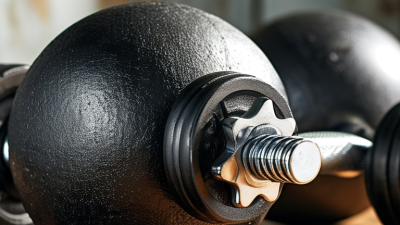
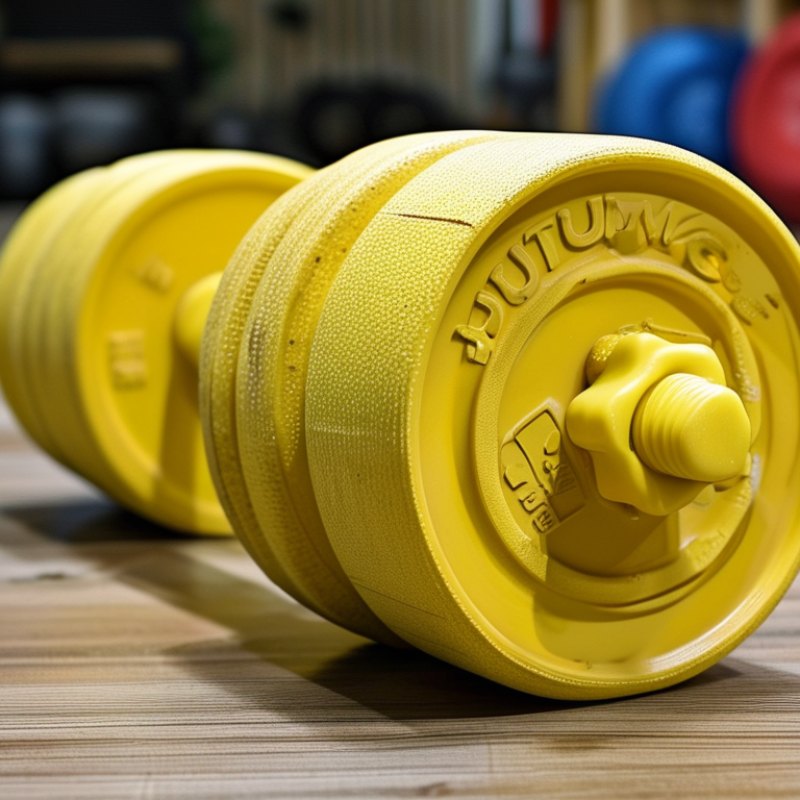
TPU-covered dumbbells combine a metal core with a thermoplastic polyurethane outer layer.
Check the core first. A dense steel core should feel balanced, with no shifting inside the coating.
Tip one: rotate the dumbbell slowly and inspect both ends. Uneven ends may indicate poor molding.
Tip two: press the TPU lightly. It should feel resilient, not brittle or excessively soft.
Tip three: examine the handle texture. A shallow pattern can become slippery with sweat. Feel the grip.
Tip four: look for seams, bubbles, or thin spots around the edges. These areas often experience the most impact.
Tip five: ask how the TPU bonds to the core. A securely molded cover should not twist independently during repeated use.
Tip six: check the coating’s odor in a well-ventilated showroom. A strong chemical smell does not prove poor quality, but it deserves questions about curing and storage.
Tip seven: consider the training surface. TPU usually reduces noise and protects floors better than bare metal, yet it still needs careful placement on hard surfaces.
I once focused too much on appearance and overlooked a slightly loose handle. That mistake changed my inspection routine.
Test the balance, grip, and edge finish together.
Also, remember that hardness ratings can vary between manufacturers, so compare actual samples when possible. A clean finish is useful, but construction details matter more.
Checking Grip Design, Shape, and User Comfort
Buying TPU covered dumbbells requires more than checking their weight. Grip design strongly affects control, especially during pressing, rowing, and high repetition exercises. Hold each dumbbell for at least one minute. The handle should feel secure without forcing your fingers tightly. A lightly textured surface can reduce slipping, while aggressive ridges may irritate your palm.
Check the handle diameter, length, and edge finish. Smaller hands often need a narrower grip, but very thin handles can feel unstable. The handle should leave enough room for your fingers without touching the TPU heads. Inspect the connection between the handle and weight. Uneven seams or sharp edges can cause discomfort during repeated movements. Shape also matters. Hexagonal heads resist rolling, while rounded designs may feel smoother during transitions. Neither shape suits every user.
Test the balance with slow curls and controlled shoulder raises. The dumbbell should not twist unexpectedly. A balanced pair can reduce wrist strain and improve movement confidence. Also check the TPU surface for strong odor, soft spots, or visible cracks. I once chose a comfortable grip without checking balance, and that decision became annoying after several sets. Comfort is not only softness. It includes stable handling, reasonable weight distribution, and a surface that stays pleasant when your palms become warm. If possible, compare several sizes with bare hands. Gloves can hide small design problems.
Comparing Durability, Safety, and Floor Protection
7 Tips for Buying TPU Covered Dumbbells
TPU-covered dumbbells should be judged by durability, user safety, and floor protection. The U.S. Consumer Product Safety Commission’s NEISS data estimated 377,939 exercise-equipment injuries treated in emergency departments in 2021. That figure covers all exercise equipment, not dumbbells alone. Still, it shows why grip security and controlled placement matter. TPU can resist odor, moisture, and abrasion, but poor molding may split around the handle. I would not trust softness alone.
Tips for Choosing TPU-Covered Dumbbells
- Check the handle texture with dry and slightly sweaty hands.
- Inspect the TPU seam for gaps or raised edges.
- Prefer a balanced head that does not wobble during presses.
- Choose broad, stable ends for safer storage.
- Ask for drop-testing details, not vague claims.
- Match the dumbbell with suitable flooring.
- Review the return policy carefully.
Small details matter.
Floor Protection
Floor protection needs a realistic test. ASTM F970 measures static-load performance for resilient flooring, but it does not prove resistance to repeated dumbbell drops. ASTM F1292 focuses on impact attenuation for playground surfacing, so it should not be treated as a gym-floor certification. Place a sample on the actual floor, then perform controlled set-downs and inspect for dents, scuffs, or chemical transfer. Use a dense protective mat under heavy training areas. It may still mark delicate flooring. My comparison was too simple at first: a softer cover felt safer, yet its edges showed wear faster. Request independent laboratory results, production tolerances, and care instructions before purchasing.