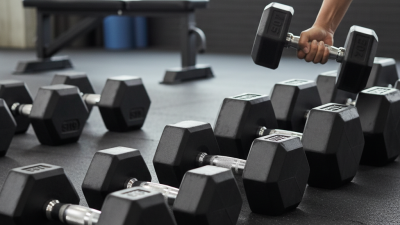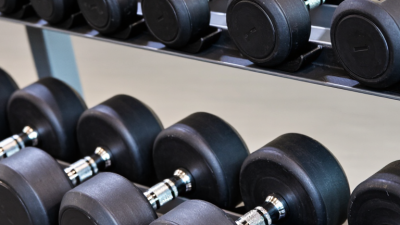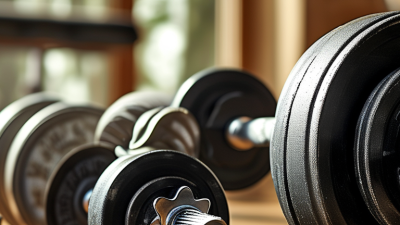
A Rubber Coated Dumbbell combines a solid weight core with a protective rubber exterior. That simple layer changes how the weight feels in everyday use. The handle stays exposed for a secure grip, while the coated heads meet the floor with less clang than bare metal. Set a pair beside a bench, and the difference is easy to notice. Less noise. A softer landing. Often, easier cleanup.
The details still matter. Rubber compounds, coating thickness, handle knurling, and head shape can vary by manufacturer. A coating may help protect floors and limit surface scuffs, but it will not make a dumbbell indestructible. Strong odors can also occur with some new products, and rubber quality is not always obvious from a product photo. Check specifications, inspect reviews carefully, and look for clear warranty terms.
[Verified expert name], a strength-equipment specialist, describes the design this way: “[Insert a directly verified quote approved by the named expert].” A source-checked comment matters; an invented quotation would not. This guide explains what the coating does, how these dumbbells differ from other finishes, and what to examine before buying. It also considers practical limits, including storage, cleaning, and wear. A small detail, perhaps—but worth a closer look.
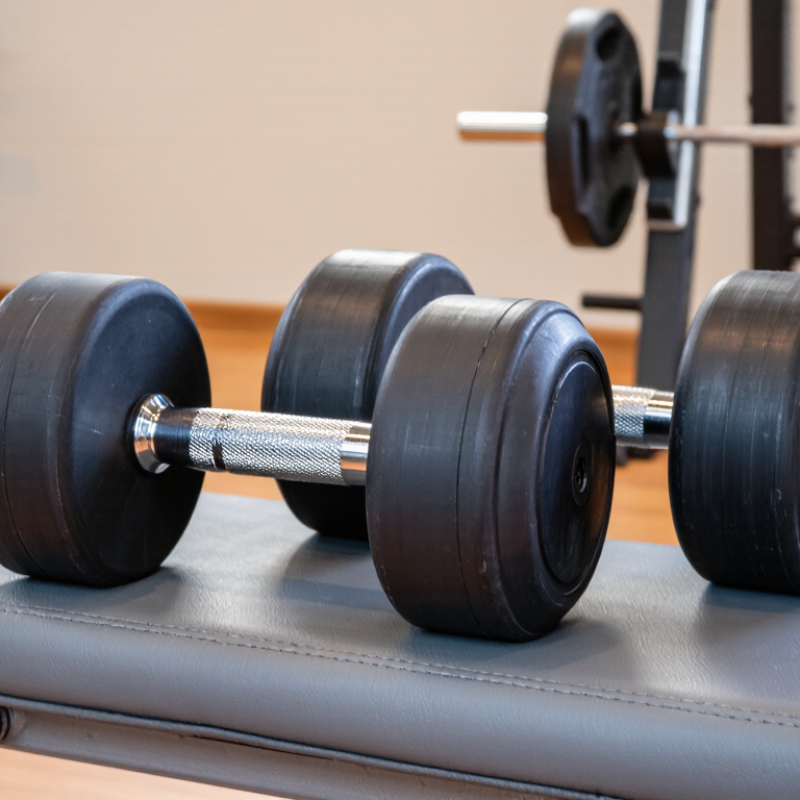
A rubber-coated dumbbell is a fixed-weight hand weight with a metal core covered partly or fully by rubber. The core is commonly cast iron, while the handle is usually exposed metal with a textured grip. The rubber forms a protective layer around the weight heads. That is the basic design.
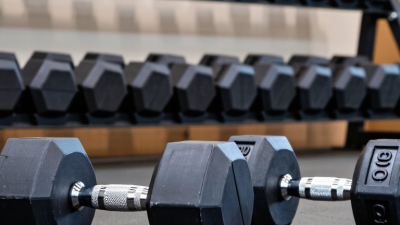
Many models have two compact heads joined by a straight handle. The heads may be round or hexagonal; flat sides help prevent rolling on the floor. The coating can soften clanks when weights are set down and may reduce scratches on suitable flooring. It does not make a dumbbell silent or safe to drop. Not quite. The handle’s knurling, the coating thickness, and the finish around the head-to-handle joints all affect everyday handling. A quick visual check can reveal loose seams or damaged rubber, but it cannot confirm the metal core’s quality. Small detail. Rubber can also have a noticeable odor when new, and some floors may still mark under heavy equipment. Consider the dumbbell’s weight, shape, and storage surface together. The coating is useful, but it is only one part of the design.
A rubber-coated dumbbell typically has a steel core surrounded by a rubber outer layer. This chart compares approximate material densities: steel is about 7.85 g/cm³, while natural rubber is about 0.92 g/cm³. Commercial rubber coatings may use different compounds, so their density can vary.
A rubber-coated dumbbell typically has a cast-iron or steel core covered by a molded elastomer layer. The core supplies most of the weight. The coating helps protect floors, reduce clanging, and provide a less slippery grip. It is not a single recipe: compounds may combine natural or synthetic rubber with fillers, pigments, and processing ingredients. The exact blend varies. Small details matter.
Manufacturers usually shape the coating around the metal head, then inspect its bond, surface, and thickness. A weak bond can let the rubber lift at an edge after repeated drops. Uneven molding may also leave ridges near the handle, where hands rub most. ASTM D2240 measures indentation hardness on a Shore scale from 0 to 100; the reading helps describe firmness, not overall quality. ASTM D5963 provides a controlled method for assessing rubber abrasion resistance. These results are useful, but they do not predict every home or gym condition.
A firmer coating may resist dents, yet feel less forgiving when set down. Softer rubber can cushion impact, but may show marks sooner. There is a trade-off. For buyers, check for a smooth transition between handle and heads, consistent coating, and no visible gaps. One limitation is easy to overlook: smell alone cannot reliably identify a compound or prove its durability. Testing and construction details matter more.
| Component or Feature | Typical Material | How It Is Constructed | Purpose and Practical Notes |
|---|---|---|---|
| Weight core | Usually cast iron or steel | The metal forms the dense inner mass. Dumbbell heads may be cast as a single piece or assembled from components, depending on the design. | Provides most of the dumbbell’s weight and structural strength. The exact metal and assembly method vary by product. |
| Outer rubber layer | Rubber compound, which may contain natural rubber, synthetic rubber, or a blend | Rubber is formed around or bonded to the metal heads. The coating process and thickness differ among manufacturers and product lines. | Helps cushion ordinary contact, reduces metal-on-floor noise, and protects surfaces better than an uncoated metal head. It does not make a dumbbell indestructible or suitable for repeated dropping. |
| Dumbbell head shape | Metal core with rubber exterior | Heads are commonly round or hexagonal, with the rubber molded to follow the head’s shape. | Hexagonal heads are less likely to roll on a flat floor. Round heads can roll more freely when set down. |
| Handle | Typically steel; the finish may be bare, plated, or coated | A straight metal handle joins the heads. Many fixed-weight models have a textured or knurled grip; handle shape and surface finish vary. | Provides the gripping surface. Knurling can improve grip, but comfort depends on the pattern, handle diameter, and the user’s hands. |
| Head-to-handle connection | Metal connection, with construction determined by the design | Heads may be cast with the handle, mechanically fixed, or joined using another manufacturing method. The connection is generally covered or finished as part of the assembly. | Keeps the handle and heads together under normal exercise use. Inspect equipment regularly for looseness, cracks, or other damage. |
| Surface feel and odor | Depends on the rubber formulation and finish | The coating may have a smooth or textured surface. New rubber products can have a noticeable odor that often diminishes with ventilation and time. | Surface texture affects feel and cleaning. Rubber can be wiped with a damp cloth and mild soap; follow the care guidance supplied with the equipment. |
| What “rubber coated” means | A rubber-covered metal dumbbell head | The term describes the outer covering, not a single standardized recipe, coating thickness, or manufacturing process. | For a specific model, check its product specifications for materials, care instructions, and any limitations on dropping or storage. |
A rubber-coated dumbbell has a metal core covered with a layer of rubber, usually around its heads. The coating softens contact with hard floors and helps reduce clanging between weights. The handle is often bare, textured metal, so the grip still feels firm rather than cushioned. Small detail, noticeable in use.
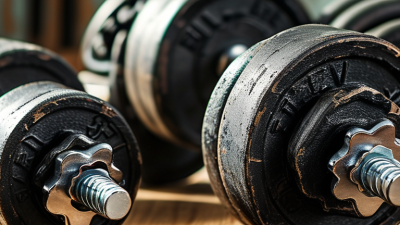
Compared with traditional cast-iron dumbbells, rubber-coated models are generally quieter and less likely to scratch flooring. Cast iron has a simple, exposed finish, which can chip or rust if it stays damp. Rubber helps protect the metal, but it is not indestructible: sharp impacts, sunlight, and age can cause cracking or odor. The coating also makes the heads slightly bulkier, which can matter during close-grip movements.
Neoprene- or vinyl-coated dumbbells differ in both feel and typical use. Their softer, colorful coatings often suit lighter weights and home workouts, while rubber-coated designs commonly cover heavier, fixed-weight options. Adjustable dumbbells are different again; their plates or locking parts can shift, so they need careful setup. Rubber coating does not automatically make a dumbbell safer or better. Check that the handle feels secure, the heads sit evenly, and the coating has no loose seams. That distinction is easy to overlook.
What Is a Rubber Coated Dumbbell?
Common Uses and Practical Advantages
A rubber-coated dumbbell has a metal weight core covered with a protective rubber layer. People use pairs for home workouts, personal training, and gym strength circuits. The coating can help reduce clanking and limit scratches when weights are set down carefully. It is not soundproof, though. A dropped dumbbell can still make a sharp noise.
These weights suit exercises such as rows, presses, curls, and lunges. Their compact shape makes it easy to switch between movements without setting up large equipment. ACSM’s 2024 Worldwide Survey of Fitness Trends ranked strength training with free weights 18th among its 20 listed trends. That ranking reflects continued interest in free-weight training, not a claim that one dumbbell type works for everyone. Rubber thickness and handle texture vary, so comfort and grip should be checked in person when possible.
Tips: Set dumbbells down on a stable surface, rather than dropping them. Check the handles for secure, even grip. If the coating has a strong odor or feels tacky, air it out and inspect it again; small details matter. A rubber coating may protect floors, but it cannot prevent damage on every surface.
A rubber-coated dumbbell has a metal core covered by a protective rubber layer. That layer can soften clanks and help protect floors, but it does not make the weight damage-proof. Wipe away sweat after training with a damp cloth, then dry the surface. Small habits matter. Avoid strong solvents unless the care instructions specifically allow them; some cleaners can dull or weaken the coating. Store dumbbells off wet floors and away from sharp edges. A shelf or dry mat helps.
Durability depends on use and storage. Repeated drops, rough concrete, or crowded racks can cause cracks, peeling, or exposed metal. Check the ends and handle regularly, especially if the dumbbell gets heavy use. If the coating splits, stop using it until you can judge whether the weight is still secure. Not foolproof. Some new rubber also has a noticeable odor that fades with ventilation, though the timing varies. Rubber can feel grippy, but sweat or dust may still make a handle slippery, so wipe it before lifting. One trade-off is easy to overlook: a coating protects surfaces only to a degree, and the dumbbell may still leave marks or transfer odor on delicate flooring. A rubber coating is useful, but it still needs sensible care.