Demand for dependable strength equipment is expanding alongside the wider fitness market. Grand View Research estimated the global fitness equipment market at USD 16.4 billion in 2023, with continued growth projected through 2030. That estimate covers many product categories, not dumbbells alone. Still, it signals a substantial opportunity for buyers seeking reliable training equipment.
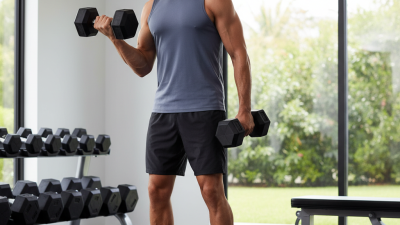
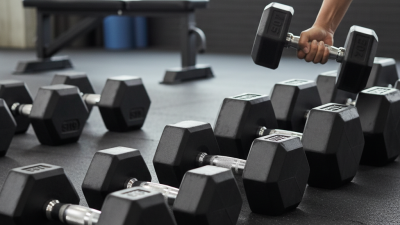
Hex Dumbbell sets remain a practical choice for gyms, hotels, schools, and home-fitness brands. Their flat sides help limit rolling, while rubber-coated heads can reduce floor noise and surface damage. Small details matter. Handle knurling, head alignment, coating consistency, and weight tolerance affect daily use. The American College of Sports Medicine’s annual Worldwide Survey of Fitness Trends also tracks strength training as part of the industry’s changing priorities. Its findings offer useful context, though they cannot predict demand for one product or supplier.
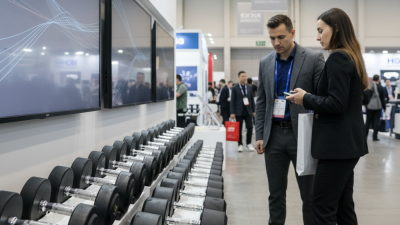
For global buyers, supplier comparisons should go beyond the lowest quotation. Review production capacity, material specifications, inspection procedures, packaging, and export experience. Request clear product drawings and confirm how weights are checked before shipment. Ask for samples. A polished catalogue is not proof of consistent manufacturing, and a sample may not reveal every batch variation. That uncertainty deserves attention. The right supplier should provide verifiable specifications, responsive communication, and realistic delivery commitments. This guide introduces leading Hex Dumbbell suppliers and practical points buyers can use to assess them.
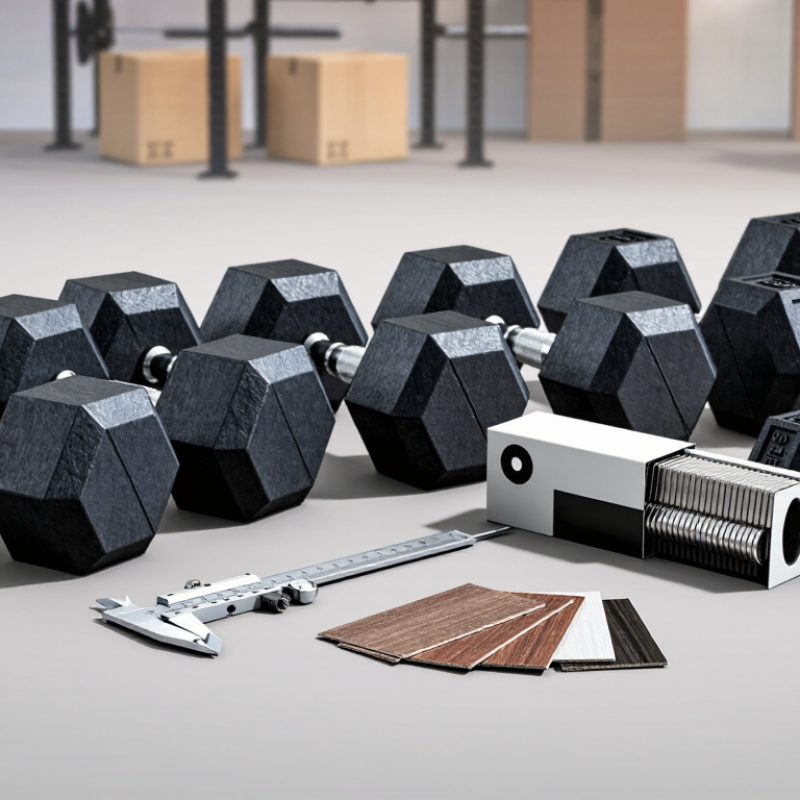
Hex dumbbells have six flat sides that help limit rolling between sets. Their shape also makes storage on a rack straightforward. Check the handle diameter, knurling depth, and head-to-handle connection; these affect grip and long-term use. Small details matter. A smooth handle may feel comfortable at first, but sweaty hands can make it less secure.
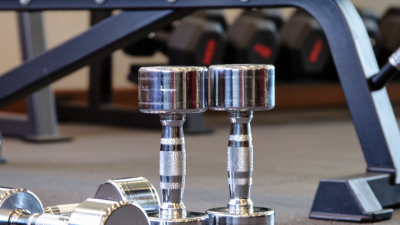
Materials vary by construction. Many models use cast iron heads, while some add a rubber or urethane outer layer to reduce floor noise and protect surfaces. Handles may be steel with a chrome or other protective finish. Ask suppliers for material specifications and inspect a sample when possible. Coatings can wear, especially with frequent drops, so no finish should be treated as indestructible.
Available weight increments shape how buyers plan a set. Some ranges increase by 1 kg, while others use 2.5-pound steps; lighter weights may have finer increments. Confirm whether the stated weight is per dumbbell and whether the full range is consistently available. That sounds obvious, but catalog listings can leave room for interpretation. For global orders, request clear metric and imperial specifications, plus tolerances and packaging details. Compare the written specification with the delivered product, not just the product photo.
For global buyers, HS 9506.91 offers a useful starting point for mapping hex dumbbell supplier markets. UN Comtrade classifies this code as articles and equipment for general physical exercise, gymnastics, or athletics. Its trade records let buyers compare reported exports and imports by country, partner, and year. Look for repeated export activity, not a single spike. Useful, but imperfect.
The World Bank’s World Integrated Trade Solution (WITS), which draws on UN Comtrade data, supports country-level trade analysis. Compare several years of values and quantities where available; a high export value alone does not prove a country specializes in dumbbells. The code covers a broader equipment category, so hex weights may be mixed with other products. That weakens direct supplier comparisons.
Use the figures to shortlist markets, then verify factories, product specifications, and shipment details independently. Check whether reported values are current and whether trading partners are consistently recorded. A buyer may find a promising market, yet still lack product-level evidence. That gap deserves attention.
MOQ figures for hex dumbbells can mean different things. One supplier may set a minimum for each weight, while another counts the full order across a weight range. Ask for both numbers in writing. A 2.5-kilogram sample and a 25-kilogram sample may also have different costs and packing needs. Small detail, real impact.
Compare lead times by stage: sample approval, production, inspection, and delivery to the agreed handoff point. A quoted 30-day production window may exclude packaging or busy-season delays. Request recent timelines for comparable orders, not just the best-case estimate. No spreadsheet captures every delay. Build in a buffer, especially when several weights must arrive together.
Production range matters as much as headline volume. Confirm which sizes are made at the same facility, and ask whether handles, coatings, and packaging are sourced separately. Request photos of current production, sample specifications, and inspection records where available. A broad catalogue does not prove every item is ready to make. That distinction is easy to miss. Compare suppliers using the same order mix, carton requirements, and delivery terms; otherwise, low MOQ or fast lead-time claims may not be directly comparable.
Buyer’s guide: The entries below describe common supplier profiles, not named or independently verified factories. MOQ, lead time, and monthly output are indicative planning ranges only; actual terms depend on product weight, coating, packaging, order mix, and factory availability. Request a current written quotation and capacity confirmation before ordering.
| Supplier Profile | Indicative MOQ | Typical Production Lead Time | Indicative Production Range | Common Product Range | Customization Fit | Best Fit for Buyers | Key Checks Before Ordering |
|---|---|---|---|---|---|---|---|
| Small-batch manufacturer | About 100–300 pairs per order | About 30–50 days after sample approval and deposit | Often suited to pilot or smaller repeat orders; confirm monthly capacity for the requested mix | Common commercial hex dumbbells, typically sold in fixed weight increments | Moderate; packaging or color options may be available, while custom tooling can be limited | New importers, market testing, and smaller retail programs | Confirm whether MOQ applies per weight, per coating, or to the total order; request a production schedule and sample approval process. |
| Mid-sized OEM factory | About 300–800 pairs per order | About 35–60 days after specifications and packaging are approved | May handle recurring mixed-weight orders; verify capacity against the actual production plan | Cast-iron or steel-core hex dumbbells with common rubber or other protective coatings | Moderate to high; options may include private-label packaging, color selection, and product specifications | Brands and distributors building regular container-load orders | Check weight tolerance, coating and odor requirements, carton strength, inspection criteria, and whether production capacity is reserved for your order. |
| Large-volume manufacturer | About 500–1,500 pairs per order, sometimes higher for custom specifications | About 45–75 days; high-season bookings may extend the schedule | Potentially appropriate for large repeat programs; request output figures by weight, finish, and production month | Broad commercial ranges, subject to the factory’s molds, equipment, and approved specifications | High for established programs; tooling, packaging, and color changes may require larger commitments | National distributors, gym-equipment programs, and buyers placing repeat bulk orders | Validate factory capacity, subcontracting arrangements, quality-control checkpoints, inspection access, and shipment-ready dates. |
| Coating-focused specialist | About 200–600 pairs per order, depending on finish and weight mix | About 35–65 days; specialty finishes may add time | Capacity can vary substantially by coating line and color; obtain a written line-capacity estimate | Hex dumbbells with a focus on coating consistency and surface finish | High for approved colors or finish specifications; nonstandard coatings may need trials | Buyers prioritizing appearance, coating consistency, or a specific finish | Request coating samples, adhesion and durability test details, color approval controls, and confirmation that samples match the production process. |
| Stock-holding distributor or wholesaler | Often 1–20 pairs for available stock; custom orders may have higher MOQs | About 1–3 weeks for confirmed local stock; replenishment orders take longer | Limited by current inventory; ask for a stock list rather than relying on catalog availability | Selected standard weights and finishes, with less choice than a direct manufacturer | Low for stocked products; private-label options usually require a larger order | Urgent replenishment, small trial orders, and buyers who need lower initial quantities | Confirm physical stock, dispatch location, product condition, included packaging, shipping terms, and whether listed stock is reserved for your order. |
For global buyers, equipment quality starts with evidence, not a supplier’s broad safety claim. ASTM F2276 addresses fitness equipment, but its relevance to a standalone hex dumbbell depends on the product and intended use. Ask the supplier or a qualified testing provider to confirm applicability before treating it as a purchasing requirement. A standard reference alone does not prove that a specific dumbbell was tested.
Inspect the details that affect daily use: secure head-to-handle attachment, even coating, clear weight identification, and consistent dimensions. Request dated test reports and traceable production records, then compare them with a sample from the actual production run. Check the handle’s knurling, too. It should provide grip without feeling sharp against the palm. A polished sample may not reflect every batch; that uncertainty deserves attention.
Tips: Ask what testing was performed, who performed it, and which model or weight range it covered. If ASTM F2276 does not apply, request the supplier’s relevant test method and acceptance criteria. Record any gaps before placing a large order. It is easy to miss those.
Ranking global hex dumbbell suppliers requires more than comparing unit prices. Landed cost includes product price, packaging, freight, insurance, duties, and delivery fees. A quote that looks lean can swell after a port delay or a change in carton dimensions. Ask for product weights, carton sizes, pallet details, and delivery terms in writing. Small details matter.
Check compliance against the destination market, rather than relying on a polished catalog. Request material specifications, relevant test reports, and labeling details for the exact dumbbell model. Confirm who issues each document and whether it covers the current production batch. Paperwork can be incomplete. That happens.
Service coverage can separate a low-cost supplier from a dependable one. Compare response times, replacement-part availability, inspection options, and support across time zones. For heavy equipment, ask how cartons are protected against chipped coating and damaged handles; request photos of a recent packed order. Use a scorecard with three columns: landed cost, compliance evidence, and service coverage. Weight each category for the destination market and order size. The ranking is not universal. Freight estimates shift, and the chosen weighting may favor reliability over the lowest price. Record assumptions, refresh quotes before ordering, and leave room for surprises.