Leave Your Message

How to Choose the Best Stainless Steel Dumbbell?

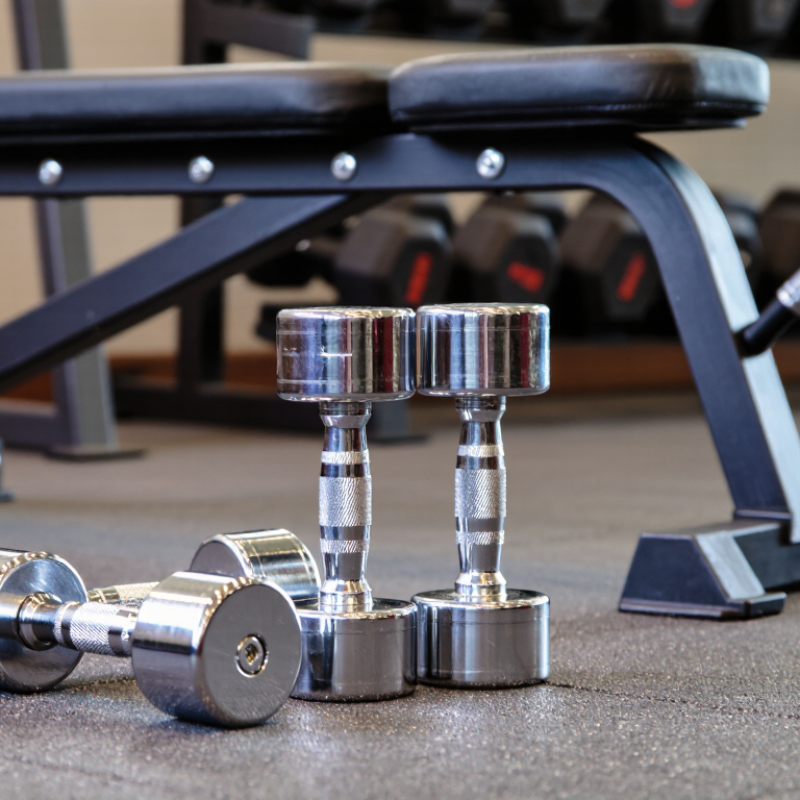
Choosing a Stainless Steel Dumbbell is not just a question of picking the heaviest weight or the brightest finish. The right pair should suit your training space, grip, and strength level. A compact set may fit neatly beside a bench, while fixed-weight dumbbells can feel more stable between exercises. Small details matter.

Start by checking the weight range and increments. If the jump between weights is too large, some exercises may become difficult to progress safely. Look closely at the handle diameter, knurling, and shape. A handle that feels secure during a set of rows may feel rough during higher-repetition movements. There is no perfect grip for everyone. Try to assess comfort with dry hands, and consider how the dumbbell may feel after a longer workout.

Stainless steel offers a solid, clean-looking option, but the material alone does not guarantee lasting quality. Manufacturing, surface finishing, and care all affect how a dumbbell performs over time. Ask the seller for clear specifications, including weight tolerance, dimensions, and warranty details. For home use, also check whether the dumbbell can rest safely on your floor or rack. A polished surface can look impressive, yet scratches and fingerprints may show. That trade-off is easy to overlook. This guide explores how to compare construction, comfort, cost, and maintenance, so you can choose a dumbbell that fits your routine rather than simply buying the most attractive one.
How to Choose the Best Stainless Steel Dumbbell?

Understand the Types and Construction of Stainless Steel Dumbbells

Stainless steel dumbbells differ in more than appearance. Solid-cast designs use a continuous metal body, while assembled models join heads to a handle. A joint can become a weak point if poorly secured. Inspect the transitions closely. Look for even seams, centered heads, and a handle that feels firmly fixed. Some designs use a stainless exterior over a different core, so ask for material details rather than relying on a silver finish. Grade matters, too: 304 stainless steel is common in general use, while 316 offers greater resistance to chloride exposure. Neither grade makes a dumbbell immune to scratches or corrosion.

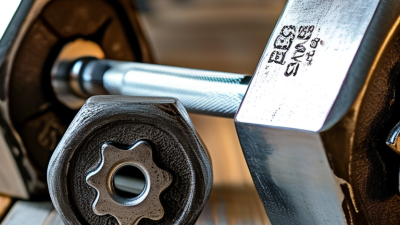
Handle construction shapes daily use. Fine knurling can improve grip, but aggressive cuts may feel harsh during higher-repetition sets. A smooth handle looks neat, yet sweaty hands can make it less secure. Check the diameter and balance with a controlled lift if possible.

The World Stainless Association’s 2023 production report recorded 58.4 million tonnes of global crude stainless steel production. That scale shows the material’s broad industrial use, not the quality of any particular dumbbell.

For manufacturing details, ASTM A967/A967M describes chemical passivation treatments for stainless steel parts. Still, certification or grade alone cannot reveal whether a handle joint, finish, or balance suits your training.

Look carefully. My own preference may not fit every hand.
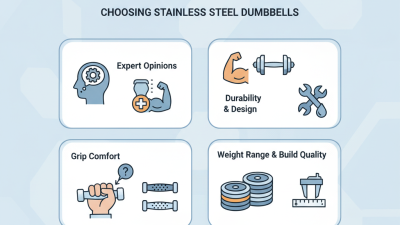
Match Dumbbell Weight and Shape to Your Training Needs

Match dumbbell weight to the movements you actually perform, not the strongest lift you hope to achieve. For presses and rows, choose a load that lets you finish your planned repetitions without twisting your torso or losing control. For raises and curls, lighter weights often make clean movement easier. ACSM’s 2009 resistance-training position stand identifies 8–12 repetitions as a practical range for novice and intermediate adults. Treat that as a guide, not a rule: your current strength, exercise, and technique all matter.
Too heavy, too soon.

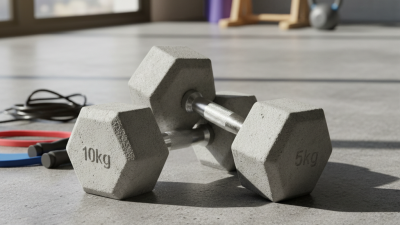
Shape affects where and how you train. Hexagonal heads resist rolling when you set them on the floor, which is useful in a tight home space. Round heads roll more easily, but their shape may feel natural during certain movements. Check the handle’s diameter and knurling, too; a secure grip should not leave your hands feeling painfully pinched.
Fit matters. If possible, hold the dumbbell before buying and test a few controlled repetitions. A fixed-weight pair may suit a simple routine, while adjustable loading can support gradual progression. One trade-off is easy to overlook: a compact shape may store neatly but feel awkward beside your knee during floor presses. Your setup is not always perfect; choose the weight and shape that let you move steadily in the space you have.

Compare Steel Grade, Finish, and Corrosion Resistance

When choosing a stainless steel dumbbell, check the stated steel grade rather than relying on a shiny surface. Grade 304 is often suitable for indoor training and routine cleaning. Grade 316 contains molybdenum, which improves resistance to chloride-related pitting. That can matter when equipment is exposed to salty sweat or damp storage. Still, a higher grade is not automatically worth the extra cost for every home gym.

Look closely at the finish. A smooth, polished surface is easy to wipe, while a brushed finish can hide small scratches. Neither finish makes the steel immune to corrosion. Inspect the handle, weight heads, and joints for crevices where sweat can collect. Small details matter. I would also ask whether the dumbbell is solid stainless steel or has a plated or coated outer layer. Appearance alone cannot confirm the material.

Care affects longevity, too. Wipe the dumbbells after training and let them dry before storing them. Avoid leaving them on a wet floor or near harsh cleaning chemicals. In my view, it is easy to overvalue a mirror-like finish and overlook construction details. I would compare the grade, finish, and joint quality together, then match them to the room’s humidity and cleaning routine. A little uncertainty remains when sellers provide no material documentation.

Check Grip Comfort, Balance, and Overall Build Quality

A stainless steel dumbbell should feel secure before it feels impressive. Hold it with dry hands, then check whether the handle’s texture gives your fingers steady contact without scraping your palm. Too smooth, and sweat may make your grip uncertain. Too aggressive, and longer sets can leave tender spots. Try several controlled repetitions if possible. Comfort is personal.

Balance matters during curls, presses, and slow raises. The weight should sit evenly in your hand, without tilting toward one end or shifting when you change direction. Notice whether the handle feels centered between the heads. A small imbalance may be subtle at first, but repeated movements can make it distracting. It’s easy to overlook.

Look closely at the overall build. The handle should meet each weight head cleanly, with no visible looseness, sharp edges, or rough finishing that catches the skin. Check the stated weight and inspect the dumbbell for dents or uneven surfaces. Stainless steel resists rust better than many untreated metals, but it still needs wiping after sweaty use. A towel helps. I would not judge quality by shine alone; a polished finish can hide an uncomfortable handle or poor balance.

Evaluate Price, Durability, and Care Requirements

How to Choose the Best Stainless Steel Dumbbell?
Evaluate Price, Durability, and Care Requirements

Compare the price with the dumbbell’s weight, finish, and construction, not its appearance alone. A lower price may mean rough edges or a handle that feels awkward during repeated sets. Check that the handle and weight heads are firmly joined, with no visible gaps or movement. Stainless steel resists corrosion, but it is not immune to damage. A dropped dumbbell can still dent flooring or develop marks. Comfort matters, too; a beautifully polished handle may feel slippery with sweaty hands.

Tips: Wipe the handle after each workout. Dry it fully before storage. Avoid harsh abrasives, which can scratch the surface.

Think about care before buying. Sweat and damp storage can leave residue, even on corrosion-resistant steel. A soft cloth and mild soap are usually enough for routine cleaning; follow the maker’s care instructions if available. It is easy to focus on the upfront cost and overlook upkeep. I would also check the grip in person when possible: online photos cannot tell you whether the knurling feels too sharp or too smooth. A slightly higher price may be worthwhile if the dumbbell feels secure and is easy to maintain.

How to Choose the Best Stainless Steel Dumbbell? — Evaluate Price, Durability, and Care Requirements
Dumbbell Type Relative Price Durability Care Requirements Best For What to Check Before Buying
Solid stainless-steel fixed dumbbell High; generally costs more than standard iron or steel dumbbells. Very durable when made from solid, well-finished stainless steel. It has no coating that can peel, though drops can still damage floors or other equipment. Wipe off sweat after use and dry fully. Use a soft cloth and mild soap for routine cleaning; avoid chlorine-based cleaners and prolonged exposure to salty moisture. Buyers seeking a long-lasting, low-maintenance fixed weight for regular home or studio use. Confirm that the weight-bearing body is stainless steel, not merely plated steel. Check the handle finish, seams, and weight markings.
Stainless-steel handle with coated or non-stainless heads Low to moderate; often a more affordable way to get a stainless handle. Depends on the head material and coating. A coating can chip or wear with repeated impact, exposing the material underneath. Wipe dry after training. Inspect the coating regularly, and avoid abrasive cleaners that may scratch it. People who value a stainless grip but want to keep initial cost lower. Ask which parts are stainless steel and what material is used for the heads. Look for secure head-to-handle connections and an intact coating.
Adjustable dumbbell with stainless-steel components Moderate to high; cost varies with weight range and adjustment mechanism. Can be durable, but has more moving parts than a fixed dumbbell. Locks, threads, or adjustment components may need inspection over time. Keep adjustment parts clean and dry. Follow the maker’s instructions for locking, tightening, and lubrication; do not immerse the mechanism. People who need several weight settings while saving storage space. Check the full mechanism, not just the handle material. Verify the available weight increments, secure locking, and replacement-part availability.
Stainless-steel dumbbell with knurled handle Moderate to high; grip finish and manufacturing quality affect price. Knurling can provide a secure grip, but deep or sharp patterns may feel uncomfortable during longer sets. Stainless steel itself resists rust better than ordinary carbon steel, but is not rustproof. Brush sweat or chalk from the knurling with a soft brush, then wipe and dry the handle to limit residue buildup. Lifters who prefer a firm grip and do not use gloves. Test the handle diameter and knurling if possible. Choose a grip texture that feels secure without irritating your hands.
Buying note: Compare the price for the same total weight and configuration. “Stainless” can refer to only one component, and stainless steel may still stain or corrode under prolonged exposure to sweat, chlorides, or harsh chemicals. For any type, check the stated materials, warranty, and care instructions.