A small home workout can begin with a pair of dumbbells beside a mat, not a room full of machines. Yet choosing Steel Dumbbells involves more than picking the heaviest pair. Grip comfort, useful weight increments, secure construction, and easy storage all affect whether equipment suits regular training.
The U.S. Centers for Disease Control and Prevention reported that 24.2% of adults met both aerobic and muscle-strengthening activity guidelines in 2020. That leaves many people looking for practical ways to make strength work easier to fit into daily life. The American College of Sports Medicine’s Worldwide Survey of Fitness Trends offers another useful lens: it tracks the priorities fitness professionals see across the industry. These reports do not prove that one dumbbell is right for everyone. They do support a careful look at accessible, adaptable training options.
This guide compares ten steel dumbbell choices for home workouts, with attention to feel, durability, weight range, and value. Some details matter more than they seem. A handle that bites into the palm can make a set feel longer; a poorly chosen weight range can limit progress. And a compact rack is not always necessary. The best choice depends on your space, experience, and training goals. A little trade-off is normal.
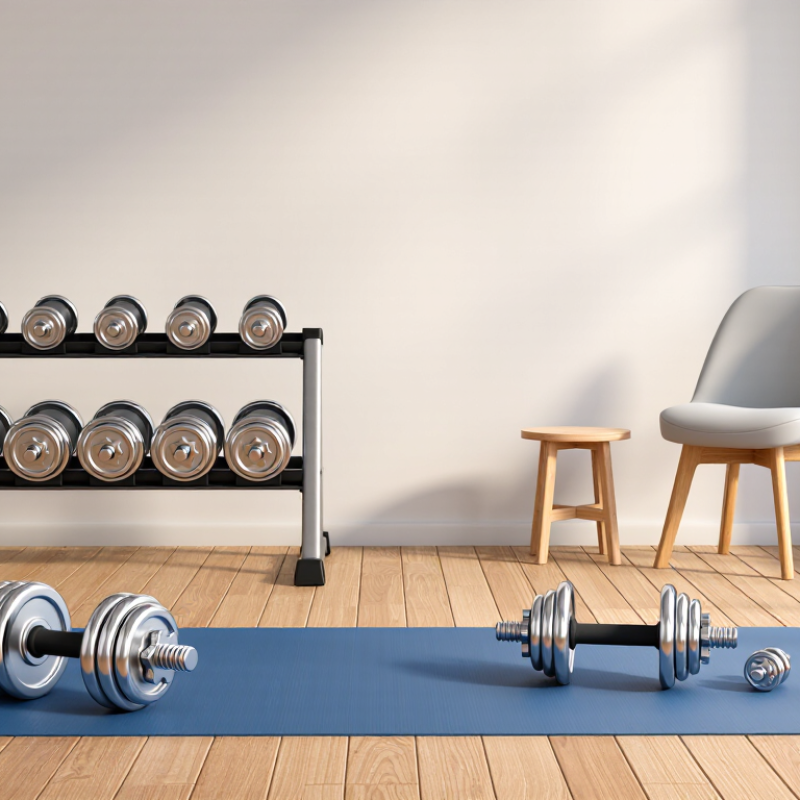
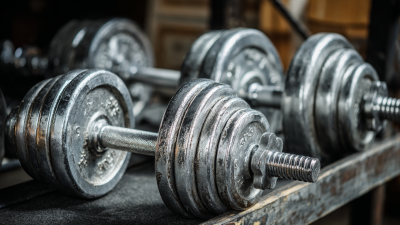
Steel dumbbells are resistance-training weights made primarily from steel, either as solid fixed weights or adjustable sets with removable plates. Their compact shape makes them easy to store beside a bench or under a sturdy rack. Many have knurled handles, where shallow grooves improve grip when hands become damp. Some models use a protective coating, but bare steel can still develop surface rust in humid rooms. Keep the handles dry and check adjustable collars before lifting.
For home workouts, steel dumbbells suit exercises such as rows, presses, squats, and curls. A pair can support a wide range of movements without taking up much floor space. Fixed weights are quick to pick up, while adjustable sets reduce storage needs but take time to change between exercises. That small pause can interrupt a fast-paced circuit. They are not perfect. Steel can feel cold in winter, and dropped weights may dent flooring or create sharp noise. A rubber mat helps protect both the floor and the dumbbells. Choose a weight you can control through the full movement, not just lift once. For shared spaces, consider the handle length and where the set will sit before buying.
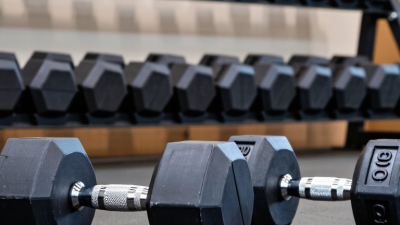
Steel dumbbells differ in more than weight. Check whether each handle and weight head form a solid, well-finished unit. Look for smooth joins and no visible wobble. A secure grip matters, especially when your palms become damp during a set. Knurling should feel textured without scraping your hands. Try the handle, if possible; grip comfort is personal, and I have found that “more texture” does not always mean better control.
Compare the available weight increments with your training plans. Small jumps can help you progress gradually, while larger jumps may suit basic strength work. Check the dumbbell’s shape, too. Hexagonal heads are less likely to roll across the floor, but their edges can feel awkward against your thighs during some movements. Round heads look tidy, though they need careful storage. A protective finish can help resist scuffs, but it will not make steel immune to rust. Keep weights dry and inspect them for damage.
Tips: Test a few reps before buying. Check the listed weight and handle diameter. Leave clear floor space; a compact set still needs room to move. Don’t overlook the small details.
This comparison covers common steel dumbbell designs rather than specific branded products. Weight ranges are indicative of commonly available configurations; exact capacity, dimensions, and materials vary by model.
| Dumbbell type | Best for | Typical construction | Plate connection | Common weight range | Key advantage | What to check |
|---|---|---|---|---|---|---|
| Spinlock adjustable set | Beginners and general home training | Steel handles with separate weight plates and threaded collars | Usually 1-inch standard plates | Often about 10–100 lb per pair, depending on the set | Simple, expandable, and easy to store | Confirm plate-hole diameter, collar security, and handle length |
| Compact loadable handle | Small workout spaces and lighter routines | Short steel handle designed for a modest plate load | Typically 1-inch standard plates | Commonly around 5–60 lb per pair | Takes up little space and is convenient for lighter exercises | Short sleeves can limit how many plates fit |
| Long standard loadable handle | Users who want to add weight over time | Steel handle with longer plate-loading sleeves | Usually 1-inch standard plates | Often around 15–120 lb per pair, depending on handle and plates | More room for plates than a compact handle | Check overall length and sleeve length; a longer handle may feel awkward in some movements |
| Heavy-duty standard loadable handle | Strength training with standard plates | Heavier-gauge steel handle with threaded sleeves | 1-inch standard plates | Some configurations reach roughly 100–150 lb per dumbbell | Can accommodate substantial loads without a selector mechanism | Verify the stated handle capacity and use collars compatible with the handle |
| Olympic-sleeve loadable handle | Lifters who already own Olympic plates | Steel handle with sleeves made for Olympic-size plate holes | Typically 2-inch Olympic plates | Often about 20–200 lb per pair, depending on the model and plates | Works with a common plate standard used in many home gyms | Check sleeve length, total handle length, and collar compatibility |
| Quick-change plate-loaded set | Workouts that involve frequent weight changes | Steel handles and plates secured by a quick-lock or similar mechanism | System-specific; some use standard-size plates | Common sets cover roughly 5–50 lb per dumbbell | Faster adjustments than traditional spinlock collars | Check locking reliability and whether replacement plates are easy to obtain |
| High-capacity quick-change set | Experienced lifters who want adjustable weights in one set | Steel handle and plates with a locking adjustment system | Usually proprietary to the adjustment system | Some sets extend to around 80–100 lb per dumbbell | Offers a broad weight range while using less floor space than a full rack | Compare maximum load, adjustment increments, and replacement-part availability |
| Fixed straight steel dumbbells | Users who want a ready-to-lift, no-adjustment option | One-piece or securely assembled fixed-weight steel construction | No plate connection | Available weights vary; pairs are commonly sold in set increments | Ready for use and quick to switch between exercises | Check handle diameter, finish, and whether the shape stays in place when set down |
| Hex-head steel dumbbells | Floor-based exercises and general-purpose training | Steel handle with fixed, flat-sided heads; finishes differ by model | No plate connection | Commonly offered in individual weights from a few pounds upward | Flat sides help reduce rolling when placed on the floor | Confirm whether the heads are steel and check the coating for wear resistance |
| Precision-machined fixed dumbbells | Users who value a consistent feel and finish | Machined steel components with a fixed weight and finished grip | No plate connection | Sold in set weight increments; available ranges vary by product | Fixed construction avoids adjustment time and loose plates | Compare stated weight tolerance, knurling, and corrosion protection |
A home dumbbell collection should match the space, exercises, and strength of the person using it. These ten steel dumbbell options cover common needs: a light pair for shoulder raises and warm-ups; a moderate pair for curls; a heavier pair for rows; and a single heavy dumbbell for suitcase carries. A narrow-handled pair can suit smaller hands, while a thicker handle challenges grip. Feel the handle before buying, if possible. Grip comfort is easy to overlook.
For limited space, consider an adjustable steel set with secure locking collars. It changes loads without filling a corner with pairs. Fixed-weight dumbbells are simpler to grab between sets, though a rack keeps them off the floor. A knurled handle can improve control when palms get sweaty, but aggressive knurling may feel rough. Flat-sided heads help prevent rolling; round heads can be less awkward during some floor exercises. A lighter pair in smaller weight increments can also make steady progression easier. That detail matters.
The tenth option is a matched pair with clear weight markings, useful when several people share equipment. Check that both handles feel balanced and that collars do not loosen during movement. Leave room to set weights down without striking a wall or furniture. Steel can be durable, but it may scratch floors, so use a mat. I’d avoid buying only heavy weights; that plan sounds efficient, but often leaves beginners short on control work.
Choosing steel dumbbells starts with the work you want them to do. For general strength, pick a weight that lets you complete about eight to twelve controlled repetitions. The final repetitions should feel challenging, not sloppy. If your goal is endurance, lighter weights can support longer sets and steady movement. For heavier lifts, such as rows or floor presses, you may need more weight than you use for shoulder raises. That difference matters.
Design affects how often you reach for them. A knurled handle can help sweaty hands hold firm, while a comfortable grip reduces distractions during longer sessions. Hexagonal heads stay put between sets; round heads can roll across a hard floor. Check the handle diameter and available weight increments, too. Small jumps make gradual progress easier. A matched pair is convenient, but one dumbbell can work for alternating exercises in a tight space. Measure your storage area before buying. Easy to overlook.
Avoid choosing the heaviest pair you can lift once. A weight that feels impressive today may limit your technique tomorrow. Begin with a manageable load, then increase it when your repetitions stay smooth. This can feel slower than expected. That is not a flaw; consistent, controlled practice usually serves home training better than chasing numbers.
Steel dumbbells are durable, but home storage still needs care. Choose a rack rated for their combined weight, and place it on a level floor. A wobbling stand can tip when one weight is removed. Keep the rack away from doorways, heaters, and damp corners. Moisture can leave rust spots, especially around textured handles and end caps. Leave enough room to lift each dumbbell without scraping a wall or catching a foot. After training, wipe away sweat with a clean, dry cloth. For grime, use a slightly damp cloth, then dry the metal completely. Avoid soaking the weights or using harsh cleaners; liquid can linger in seams. Check occasionally for rust, cracks, or loose parts. It is tempting to leave weights beside the rack, but that small shortcut creates a real trip hazard.
Tips: Keep heavier pairs on lower supports. Set weights down gently. Small habit, less noise. Store dumbbells out of children’s reach.
If your floor is soft, place a stable protective mat beneath the rack. Make sure it does not slide when you remove a weight. I would not assume every rack fits every dumbbell: check the cradle width and weight limit before loading it. A quick check takes little time, though it is easy to skip after a tiring workout. Keep the surrounding floor clear, too. One stray weight can turn a tidy workout corner into an awkward obstacle.
Each bar shows the combined mass of two equal-weight dumbbells, converted using 1 lb = 0.45359237 kg. When choosing storage, check that the rack and floor can support the combined load. Keep steel dumbbells dry, wipe off sweat after use, and inspect them regularly for damage.