Leave Your Message

Why Choose Urethane Dumbbells for Your Gym?

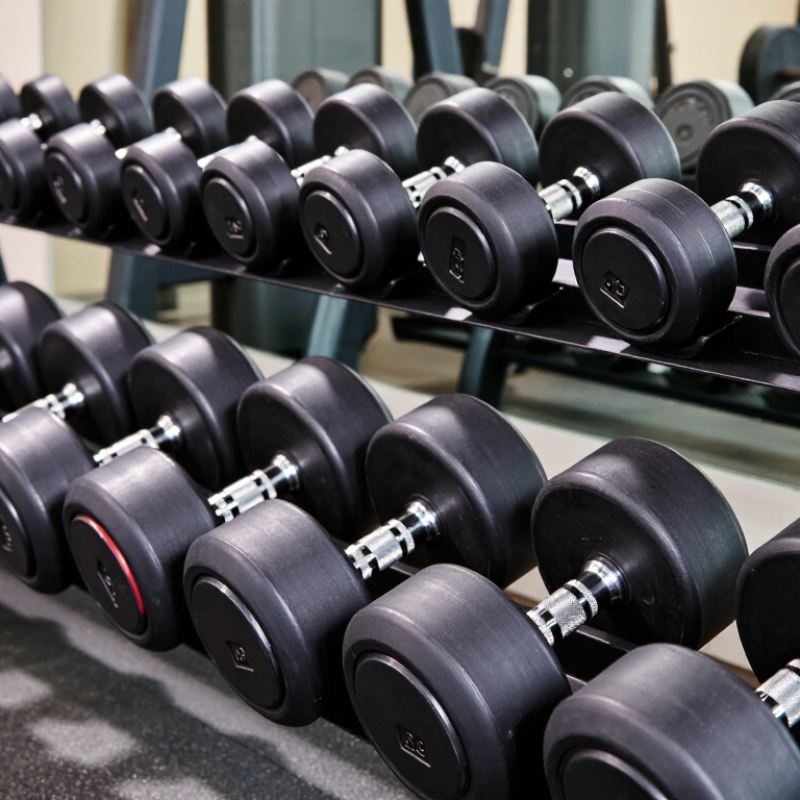
Choosing the right dumbbells affects safety, maintenance, and member satisfaction. Urethane Dumbbells offer a practical balance for busy gyms. Their dense coating resists sweat, repeated drops, and daily handling. The surface also feels firm without becoming harsh against the skin.

In a commercial training area, small details become important. A urethane dumbbell can reduce sharp odor compared with some rubber products. It also helps protect flooring when weights are placed down carefully. The clear weight markings remain easy to read under bright overhead lights. This supports faster equipment selection during crowded sessions. Gym owners should still inspect handles, heads, and storage racks regularly. No material removes the need for responsible use.

From a purchasing perspective, urethane often supports long-term value. It typically resists cracking, fading, and surface breakdown better than lower-grade coatings. That can reduce replacement interruptions and keep the training space looking professional. However, higher initial costs may concern smaller facilities. The best decision depends on usage volume, budget, climate, and cleaning routines. Urethane is not perfect. Improper drops can still damage floors or equipment. Some users may also prefer a different grip texture. A thoughtful comparison should include real member feedback, supplier specifications, and warranty terms. This approach reflects practical experience rather than relying on marketing claims. When durability, appearance, and hygiene matter, Urethane Dumbbells deserve serious consideration for modern gym environments.

Why Choose Urethane Dumbbells for Your Gym?

What Are Urethane Dumbbells?

Why Choose Urethane Dumbbells for Your Gym?

What Are Urethane Dumbbells?

Urethane dumbbells have a solid metal core covered by a dense polyurethane-based layer. The coating protects floors, reduces metal noise, and resists sweat, abrasion, and repeated handling. Their heads are usually fixed, so there are no loose plates or adjustment mechanisms during training.

In daily gym use, the difference feels practical. A urethane dumbbell lands with a softer thud than bare iron. Its surface feels less harsh against the palm, while its shaped handle supports controlled pressing and rowing. However, “urethane” is not one identical formula. Density, bonding quality, handle texture, and curing methods can vary between manufacturers. That detail deserves checking.

184 million The 2024 Global State of the Health & Fitness Industry Report recorded about 184 million fitness members worldwide in 2023. It also reported approximately 210,000 facilities and $96.7 billion in industry revenue. These figures show why equipment durability matters in busy training rooms, where one dumbbell may be handled hundreds of times daily. ASTM F2276-21, a fitness-equipment safety standard, emphasizes design, stability, and user protection, although it does not make every urethane dumbbell automatically safe. Staff should still inspect loose handles, damaged coatings, and uneven placement. Urethane can reduce maintenance problems, but it cannot replace cleaning routines, sensible storage, or regular equipment checks.

How Are Urethane Dumbbells Made?

Why Choose Urethane Dumbbells for Your Gym?

Urethane dumbbells begin with a precisely machined steel core. The core determines balance, strength, and final weight accuracy. Workers clean and roughen its surface before molding. This step matters because urethane needs a stable bonding surface.

A measured polyurethane mixture is then poured or injected around the core. Pigments and additives may be blended into the compound. The mold controls the dumbbell’s shape, handle clearance, and protective coating thickness.

After molding, the urethane cures under controlled time and temperature. Excess material is trimmed from the parting line. Each dumbbell is checked for weight, surface defects, and handle alignment. Hardness testing can follow ASTM D2240, while tensile testing may reference ASTM D412. Fitness equipment manufacturers may also evaluate equipment against ISO 20957-1 safety principles. These standards support consistent inspection, but they do not replace careful production records.

The market gives this process practical importance. The Health & Fitness Association’s 2024 Global Report estimated 184 million fitness-club members worldwide in 2023. More daily use means more demands on coatings and handles. Urethane resists odor absorption, chipping, and many common cleaning chemicals better than painted surfaces.

Still, it is not indestructible. Poor curing can create soft spots or weak bonding. I have seen how rushed inspections turn a small molding flaw into a loud, distracting failure.

Quality control should include repeated drops, visual checks, and periodic weight verification. Density can vary slightly. That deserves honest attention.

What Benefits Do Urethane Dumbbells Offer?

Why Choose Urethane Dumbbells for Your Gym?

What Benefits Do Urethane Dumbbells Offer?

Urethane dumbbells provide a clean, professional feel during daily strength training. Their coating resists sweat, oils, and many common cleaning products. That matters in busy gyms where equipment receives constant handling. The surface also produces less odor than many rubber alternatives. Members notice the difference.

Urethane resists chipping, cracking, and fading under regular indoor use. A dumbbell can sit on a rack for years and still look presentable. The coating also reduces noise when weights touch the floor or rack. This helps create a calmer training area. It is not silent, though. A careless drop can still damage flooring and equipment.

The handles deserve equal attention. A well-shaped steel handle with consistent knurling supports a secure grip during rows and presses. Urethane heads are often compact, which improves balance in one-handed movements. Accurate weight markings help coaches select loads quickly. However, not every model feels identical. I have found that grip preference varies, so testing several handle shapes remains sensible. Regular inspections are still necessary. Check for loose handles, worn markings, and uneven surfaces. Good materials reduce maintenance, but they do not replace responsible equipment care.

Why Choose Urethane Dumbbells for Your Gym?

Typical performance comparison of urethane, rubber, and cast-iron dumbbells

Urethane dumbbells combine high surface durability with low odor, strong resistance to abrasion and cleaning chemicals, and reduced risk of floor marking compared with traditional rubber or bare cast iron. The chart uses representative values on a 1–10 performance scale; actual results vary by formulation, finish, and usage conditions.

How Do Urethane Dumbbells Compare With Other Types?

In a busy gym, urethane dumbbells offer a clean, controlled training experience.
Their dense coating resists common damage from sweat, drops, and repeated handling. The surface usually feels firm but not harsh. That matters during presses, rows, and high-repetition circuits. Urethane also produces less odor than many rubber alternatives. The room feels fresher.

Compared with rubber dumbbells, urethane often keeps its appearance longer.
Rubber may soften, fade, or develop a stronger smell over time. Urethane is also less likely to mark floors, although careless drops can still damage equipment or surfaces. Cast iron dumbbells are usually more affordable and highly durable. However, their exposed metal can chip flooring and feel cold during early morning sessions. Chrome dumbbells look polished, but scratches can become obvious with frequent commercial use.

Neoprene dumbbells suit light workouts, rehabilitation, and home routines.
They are comfortable, yet their softer coating may wear faster under heavy training. Urethane handles demanding use better, but they cost more and can feel less forgiving when dropped. They are not perfect. Some users may prefer the lower price of rubber or cast iron.
From a facility manager’s viewpoint, the better choice depends on traffic, storage, noise control, and maintenance habits. A dry handle, balanced head, and secure rack position still matter more than appearance alone.

What Should You Consider Before Choosing Urethane Dumbbells?

Choosing urethane dumbbells requires more than comparing prices or polished photographs. The 2024 Global Report from the Health & Fitness Association recorded 72.9 million United States fitness facility memberships in 2023. That figure suggests heavy daily use in many training spaces. Inspect the handle first. It should feel secure, balanced, and comfortable during repeated sets. A smooth handle may look attractive, but excessive slickness becomes risky with sweaty hands.

Urethane usually resists odor, fading, and surface damage better than many rubber compounds. However, “more durable” does not mean indestructible. Dropping weights onto hard concrete can damage floors, edges, and internal components. Check the dumbbell’s stated weight tolerance, head attachment, and warranty terms. Ask whether the urethane surface has been independently tested. ISO 20957-1 provides general safety requirements for stationary training equipment, but it does not automatically certify every dumbbell. This distinction matters.

Space and noise deserve attention. Urethane can reduce the sharp smell associated with some rubber products, yet it will not eliminate impact noise. Use appropriate flooring beneath storage and lifting areas. The American College of Sports Medicine’s 2024 Worldwide Survey placed traditional strength training among the leading fitness trends. More users may mean faster wear on handles and racks. Count expected daily sessions, not just the number of dumbbells. I have seen attractive equipment fail because storage was cramped and maintenance was ignored. That is an uncomfortable lesson. Check cleaning compatibility, rack spacing, replacement policies, and user feedback from facilities with similar traffic.

Why Choose Urethane Dumbbells for Your Gym? - What Should You Consider Before Choosing Urethane Dumbbells?

This comparison table summarizes the main performance, maintenance, safety, and purchasing factors to evaluate when selecting urethane dumbbells for a commercial or home gym.

Evaluation Dimension Urethane Dumbbells Comparison With Common Alternatives What to Consider Before Choosing
Material Construction Durable Surface
A solid metal core is permanently bonded to a molded polyurethane exterior. The outer layer is generally non-porous and resistant to many common gym contaminants.
Rubber dumbbells normally use a steel or iron core with a rubber coating, while cast-iron or chrome dumbbells have less protective exterior material. Confirm the core material, coating thickness, bonding quality, and whether the dumbbell is manufactured as a fixed one-piece unit.
Typical Weight Availability Fixed commercial dumbbells are commonly available from approximately 2.5 lb to 100 lb or more, depending on the product range. Metric sets often begin around 1 kg and increase in regular increments. Rubber and cast-iron fixed dumbbells are also offered across broad weight ranges. Adjustable dumbbells usually cover a smaller number of weight positions in one unit. Select a weight progression that matches the training programs, user strength levels, available storage space, and expected future expansion.
Durability and Wear Resistance Polyurethane is resistant to abrasion, oils, sweat, and many cleaning chemicals. It does not typically crack or crumble as quickly as lower-quality rubber when properly maintained. Rubber can age, harden, crack, or develop surface wear depending on formulation, ultraviolet exposure, temperature, and cleaning practices. Painted iron can chip or scratch. Ask for material specifications, impact testing information, warranty terms, and care instructions. No coating is completely immune to sharp impacts or misuse.
Odor and Indoor Air Quality High-quality polyurethane generally produces less persistent odor than many vulcanized or recycled rubber products, although a mild manufacturing odor may be present when new. Rubber products may release a stronger odor, particularly in warm or poorly ventilated spaces. Bare metal generally has little material odor. Request low-odor or indoor-use documentation when equipment will be installed in a small studio, hotel, office, or residential room.
Noise During Use The polymer exterior reduces direct metal-to-floor and metal-to-metal contact noise. It is quieter than bare cast iron when placed down carefully. Rubber also provides sound dampening. Bare metal is generally the loudest option, especially on hard flooring or when weights are dropped. For meaningful noise reduction, combine coated dumbbells with suitable rubber flooring and enforce controlled placement rather than intentional dropping.
Floor and Equipment Protection The resilient outer surface helps reduce the risk of scratches, dents, and impact marks compared with uncoated metal. Heavy weights can still damage floors if dropped. Rubber generally provides similar cushioning. Bare iron and chrome require more careful handling and stronger protective flooring. Check local floor-load limits, use appropriate flooring, and verify whether the dumbbell head shape is stable and suitable for storage racks.
Cleaning and Maintenance The non-porous surface is relatively easy to wipe and disinfect. Use a soft cloth and a cleaner approved by the manufacturer; avoid prolonged soaking. Rubber may absorb or retain some oils and odors. Painted metal can rust if moisture reaches exposed or damaged areas. Establish a cleaning schedule and confirm chemical compatibility before using alcohol, bleach, solvents, or aggressive degreasers.
Grip and Handle Design Urethane normally covers the weight heads rather than the handle. Grip quality depends on handle diameter, knurling, finish, straight or contoured shape, and corrosion protection. The handle experience varies across rubber, iron, and urethane models. A softer coating on the heads does not automatically provide a better grip. Test representative weights for handle diameter, knurl depth, palm comfort, rotational control, and compatibility with the intended exercises.
Shape and Storage Efficiency Hexagonal heads resist rolling and are convenient for floor-based exercises. Round heads may feel smoother during some movements but can roll when stored on the floor. Alternatives are available in hexagonal, round, and other shapes. Head dimensions usually increase as weight increases, but exact dimensions vary by design. Measure rack spacing, shelf depth, and aisle clearance. Confirm that the complete set will fit without excessive stacking or unstable storage.
Chemical and Heat Exposure Polyurethane has good resistance to many oils and cleaning agents, but prolonged exposure to strong solvents, excessive heat, or direct sunlight can affect some formulations. Rubber and painted finishes can also be affected by ultraviolet radiation, ozone, petroleum products, and harsh chemicals. Store equipment in a dry, ventilated area away from heaters, direct sunlight, solvents, and outdoor weather conditions.
User Safety A bonded, fixed dumbbell has no adjustment mechanism or loose plates during normal use. The coating can improve handling comfort, but it does not eliminate pinch, drop, or impact hazards. Adjustable systems introduce locking and plate-security considerations. All fixed dumbbells require safe lifting technique and adequate clearance. Inspect regularly for loose handles, damaged heads, sharp edges, separation, and inaccurate markings. Remove damaged equipment from service immediately.
Weight Accuracy Fixed dumbbell accuracy depends on manufacturing tolerances. The printed or molded weight should be verified against the supplier’s stated tolerance rather than assumed to be exact. Weight variation can occur in rubber-coated, iron, chrome, and adjustable products. Larger commercial sets may use defined manufacturing tolerances. Request the allowable weight tolerance and quality-control method, especially for rehabilitation, sports performance, or competition-oriented training.
Cost and Long-Term Value Urethane dumbbells often have a higher initial purchase price than basic cast-iron models because of the molded coating and finishing process. Lower-priced options may involve more frequent coating replacement, odor management, repainting, or floor repairs depending on usage and environment. Compare total ownership cost, expected service life, warranty coverage, replacement availability, cleaning requirements, and downtime—not only the purchase price.
Best-Suited Applications Well suited to commercial fitness centers, physical-therapy facilities, hotel gyms, strength studios, and home gyms where cleanliness, durability, and low odor are priorities. Rubber may be practical for general-purpose training and impact protection. Bare iron can be appropriate for budget-focused or traditional strength-training environments. Match the material to usage frequency, user turnover, noise restrictions, flooring, climate, cleaning routine, storage capacity, and available budget.
Important: Dimensions, weight ranges, coating performance, and allowable tolerances vary by manufacturer and product design. Request current technical specifications and inspect sample units before placing a large gym equipment order.