What Are the Top Types of Fitness Dumbbells?
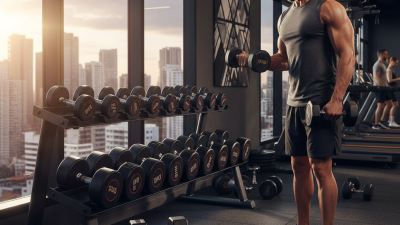
Choosing the right dumbbell can feel surprisingly complicated. A gym floor may show fixed pairs, adjustable handles, rubber hex shapes, and compact studio weights. Each design changes storage, grip, exercise variety, and training safety. This article examines the top types of Fitness Dumbbell and explains where each option works best.
Professional guidance supports the broader value of resistance training. The World Health Organization recommends muscle-strengthening activities for major muscle groups on at least two days weekly. The American College of Sports Medicine also includes resistance exercise as a core part of comprehensive fitness programming. Its Worldwide Survey of Fitness Trends continues to track strength-focused training and free-weight exercise as important industry practices. These findings do not prove that one dumbbell design suits everyone. They show why equipment choice deserves practical attention.
Market research adds useful context. Grand View Research reports continued growth in the global fitness equipment market, driven by home workouts, boutique studios, and connected training products. Yet market figures vary by definition, region, and reporting method. That limitation matters. A premium adjustable dumbbell may appear efficient in a small apartment, while a fixed rubber dumbbell may feel safer during fast-paced circuits. Neoprene models can suit beginners, but they may provide limited progression. Nothing is perfect.
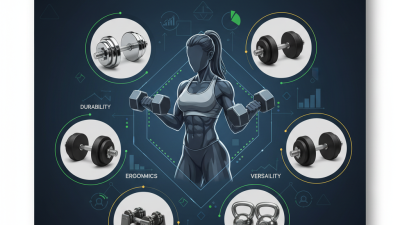
This guide compares the main dumbbell categories through construction, weight range, durability, ergonomics, and user experience. It also considers real training details, such as a slippery palm after high-repetition swings or the noise of metal plates on a bedroom floor. The goal is clear, evidence-informed guidance—not a universal winner.
Fixed-Weight Dumbbells: Simple Designs for Consistent Strength Training
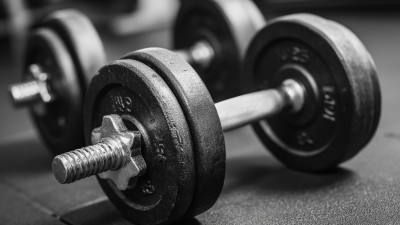
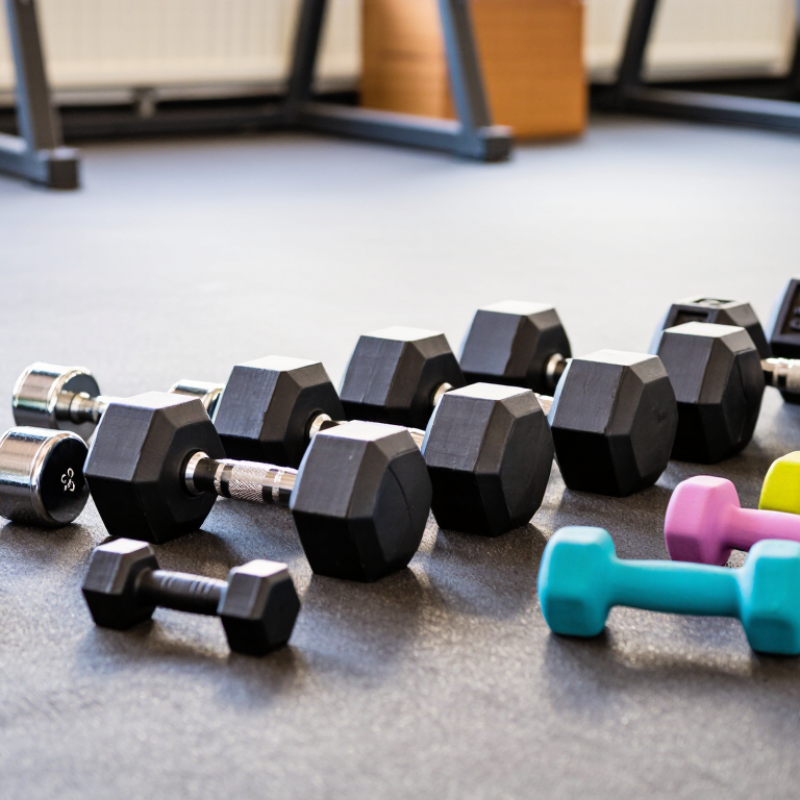
Fixed-weight dumbbells offer a straightforward way to train. Each pair has one permanent load, so setup takes seconds. In small studios, that simplicity keeps sessions moving. I have used them for presses, rows, split squats, and controlled carries. Their solid feel also makes repetitions easier to compare from week to week. Cast-iron models suit heavy strength work, while rubber-coated or neoprene versions can reduce floor noise. Choose based on load, grip, and storage space.
The handle should feel secure without forcing your wrist to bend. Check the heads for cracks, loose movement, or sharp seams before lifting. A hexagonal shape can limit rolling between sets, especially on a home floor. Still, fixed weights do not fit every exercise equally. A 20-pound dumbbell may challenge a row but overwhelm a lateral raise. Smaller jumps between available weights help manage progression.
My earlier advice was too simple: heavier is not always better. Form, breathing, and a steady tempo reveal more than a dramatic number. I prefer leaving one or two clean repetitions in reserve during most working sets. That approach is not perfect. Fatigue, injury history, and training goals can change the right choice. Beginners may benefit from a coach observing their first sessions, while experienced lifters should still inspect equipment regularly.
What Are the Top Types of Fitness Dumbbells?
Fixed-Weight Dumbbells: Simple Designs for Consistent Strength Training
Fixed-weight dumbbells are available in several designs for different training needs. Neoprene and vinyl dumbbells are commonly used for light conditioning and group exercise, while cast-iron, rubber-hex, and urethane dumbbells typically support heavier progressive strength training. The values show typical upper-end weights in pounds; exact ranges vary by manufacturer and market.
Adjustable Dumbbells: Flexible Weight Options for Home Workouts
What Are the Top Types of Fitness Dumbbells?
Adjustable Dumbbells: Flexible Weight Options for Home Workouts
Adjustable dumbbells suit people who need varied resistance without filling a room with equipment. A single pair can support presses, rows, squats, lunges, and curls. Weight changes usually involve a dial, pin, or removable plates. This flexibility helps beginners start lightly and progress gradually. It also benefits experienced lifters who need heavier loads for compound exercises. However, adjustment speed and stability vary between designs. A loose mechanism can interrupt a set or affect confidence during overhead movements.
Choose a comfortable handle with secure grip texture. Check that each weight section locks firmly before lifting. A practical home setup should also include clear floor space and a stable bench, if needed. Small weight increases are often more useful than dramatic jumps. Your muscles may feel ready before your joints do. That difference deserves attention. Adjustable dumbbells can save money and storage space, but they may feel bulkier than fixed dumbbells. This matters during movements requiring close control, such as lateral raises.
Tips: Test the adjustment system before every workout. Begin with five minutes of gentle movement and lighter practice repetitions. Keep both dumbbells balanced at the same setting. Record your weights and repetitions, but review your progress honestly. More weight is not always better. If your posture breaks, reduce the load and slow the movement. Store the dumbbells away from damp floors, and inspect plates, pins, and handles regularly.
What Are the Top Types of Fitness Dumbbells? - Adjustable Dumbbells: Flexible Weight Options for Home Workouts
| Adjustable Dumbbell Type |
Typical Weight Range |
Common Adjustment Increment |
Adjustment Method |
Main Advantages |
Potential Limitations |
Best Suited For |
| Spinlock Plate-Loaded Dumbbells |
Approximately 2–50 lb per dumbbell |
Usually 2.5–5 lb |
Weight plates are placed on a threaded handle and secured with collars. |
Simple design, broad compatibility with standard plates, and flexible loading. |
Changing weight takes longer; collars and plates may extend beyond the hand. |
Users who want economical equipment and gradual strength progression. |
| Selectorized Dial or Pin Dumbbells |
Approximately 5–90 lb per dumbbell |
Often 2.5–10 lb |
A dial, lever, or locking pin selects the plates retained by the handle. |
Very fast transitions, compact storage, and convenient use during circuits. |
More moving parts require careful handling and regular inspection. |
Home gyms, full-body workouts, and users who change loads frequently. |
| Block-Style Adjustable Dumbbells |
Approximately 5–90 lb per dumbbell |
Commonly 2.5–10 lb |
A selector pin or locking mechanism connects the handle to a chosen stack of weight blocks. |
Quick selection, organized storage, and less loose equipment on the floor. |
The shape can feel wider than a traditional dumbbell during some movements. |
People prioritizing storage efficiency and rapid weight changes. |
| Plate-Loaded Handle Sets |
Approximately 2–80 lb per dumbbell |
Usually 2.5–5 lb |
Removable plates are loaded onto handles and tightened with collars or locking ends. |
Offers a traditional free-weight feel and allows customized loading. |
Requires more setup space and time than dial- or pin-adjusted designs. |
Strength trainees who prefer conventional plates and handles. |
| Selectorized Compact Dumbbells |
Approximately 5–50 lb per dumbbell |
Often 2.5–5 lb |
A rotating selector or sliding mechanism changes the retained weight plates. |
Small footprint, easy storage, and suitable weight steps for general fitness. |
Lower maximum loads may not meet the needs of advanced strength athletes. |
Apartments, beginners, and moderate-intensity home workouts. |
Selection tip: Choose an adjustable dumbbell with a secure locking system, clear weight markings, comfortable handles, and increments that match your training goals. Always confirm that the selected weight is fully locked before lifting.
Hex Dumbbells: Stable Shapes for Strength and Conditioning Exercises
Hex Dumbbells: Stable Shapes for Strength and Conditioning Exercises
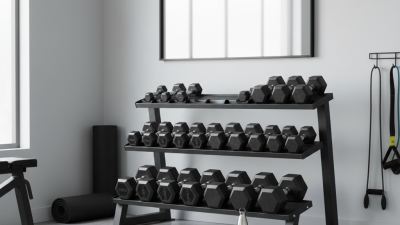
Hex dumbbells remain a practical choice for home gyms and professional training spaces. Their flat heads resist rolling across rubber flooring, which makes exercise transitions safer and faster. A coach can place them beside a bench, move into rows, then use them for farmer carries without chasing loose equipment. The six-sided design also supports controlled push-up variations, although surface grip still matters. Hex dumbbells are not automatically safer. Poor wrist alignment and excessive loading can still create problems.
The American College of Sports Medicine’s 2024 Worldwide Survey of Fitness Trends ranked traditional strength training among the five leading global trends. This supports continued demand for simple, measurable resistance tools. The World Health Organization recommends muscle-strengthening activities on at least two days each week for adults.
Hex dumbbells fit that schedule well. They support goblet squats, split squats, presses, deadlifts, rows, and short conditioning circuits. I often see beginners select weight by appearance, not control. That is a mistake worth revisiting. Choose a load that allows steady breathing and clean repetitions. Handles should feel secure, but not painfully tight.
Storage matters, too. A hex shape reduces movement, yet crowded floors can still create trip hazards. Small details often decide whether training feels smooth or careless.
Round Dumbbells: Traditional Weights for Smooth Movement Patterns
Round dumbbells remain a dependable choice for smooth movement patterns. Their balanced shape lets the weight travel naturally through presses, rows, curls, and controlled lunges. In my coaching experience, beginners often find them easier to understand than unfamiliar machines. Each hand works independently. This can reveal a weaker side that a barbell may hide.
The rounded ends reduce abrupt contact when dumbbells rest beside a bench or move near the shoulders.
A secure grip matters more than a heavy number.
Choose a load that allows steady wrists, relaxed shoulders, and a full range of motion. Leave room for control. If your elbow drifts, your back arches, or the final repetitions become rushed, the weight is probably too demanding. That is not failure. It is useful feedback.
Round dumbbells suit home workouts because they support many exercises without complicated adjustments. Still, their shape can roll across a hard floor. Store them against a stable rack or use a non-slip surface.
I have seen users focus so much on lifting heavier that they ignore the lowering phase. That habit deserves reconsideration. A slower descent can improve awareness, but it may also create unnecessary fatigue if every set becomes excessively long. Use moderate repetitions, breathe continuously, and stop when technique changes noticeably. A qualified trainer can check alignment when pain, rather than normal effort, appears.
Specialty Dumbbells: Neoprene, Rubber, Studio, and Loadable Designs
Specialty dumbbells make strength training more adaptable, especially when space, noise, or comfort matters.
The American College of Sports Medicine’s 2024 Worldwide Survey ranked traditional strength training fifth among global fitness trends. That result supports a practical point: dumbbells remain relevant, but users need better formats for different settings.
Neoprene dumbbells offer a soft, secure grip during light circuits, rehabilitation, and home workouts. Their compact shape feels comfortable in sweaty hands, although the coating may wear faster with rough storage.
Rubber dumbbells tolerate repeated drops better and reduce floor noise. They suit heavier training, but rubber can produce a noticeable smell in poorly ventilated rooms.
Studio dumbbells are usually compact and easy to arrange beside mats or benches. They work well for group classes, though their lighter range can limit progressive overload.
Loadable dumbbells accept weight plates, allowing one handle to cover several training levels. They save storage space, but changing plates interrupts fast-paced sessions.
The World Health Organization’s Guidelines on Physical Activity and Sedentary Behaviour recommend muscle-strengthening activities on at least two days weekly for adults. That frequency makes adjustability valuable for many users.
Still, I would not treat one design as universally superior. Grip size, flooring, training goals, and available storage change the decision. My own practical concern is often overlooked: a dumbbell that is difficult to pick up gets used less. Convenience matters.