Top Rack Dumbbell Manufacturers in China
Choosing among the top rack dumbbell manufacturers in China takes more than comparing product photos and quoted prices. Rack Dumbbells must fit their storage racks securely, feel consistent in the hand, and withstand repeated handling. Small details matter. Check handle diameter, knurling depth, coating finish, weight markings, and the dimensions of each rack slot. Ask whether the supplier can provide current product specifications and samples from the same production range you plan to order. A sample can reveal rough edges or uneven coatings that a catalog image cannot.
This guide introduces manufacturers and practical ways to assess their capabilities. It considers product range, customization options, production information, quality checks, packaging, and communication. Look for clear answers about weight tolerances and how finished goods are inspected. Request photos or records that show actual products, not only polished promotional images. If possible, compare samples under the same conditions and confirm rack compatibility before approving a large order. No single checklist guarantees a trouble-free purchase. Even careful research can overlook a detail, such as a rack’s usable width or the space needed between dumbbells. That deserves a second look. The aim is to help buyers ask better questions, verify key claims, and make a decision based on documented details rather than broad promises.
Dumbbell Rack Types, Commercial Uses, and Rated Load in Kilograms
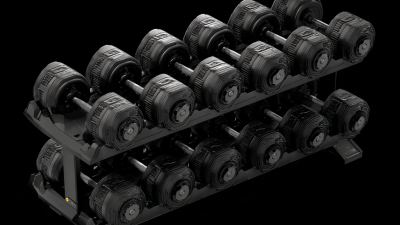
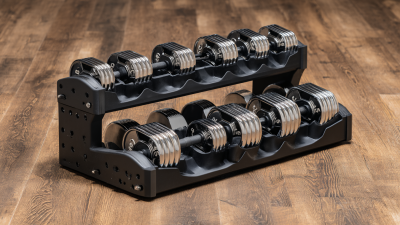
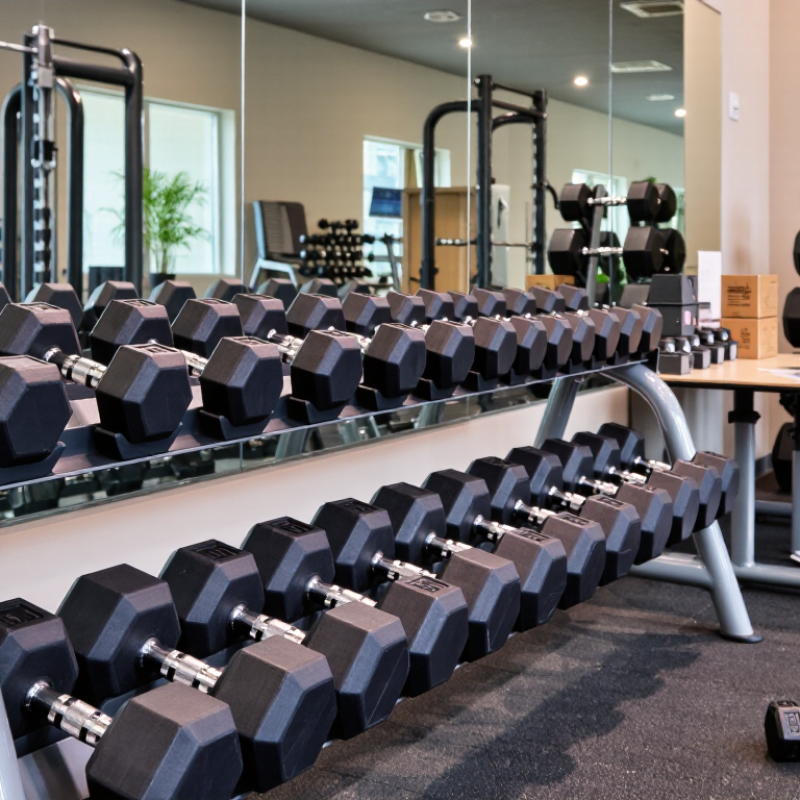
Commercial dumbbell racks generally use horizontal two-tier shelves, vertical cradles, or modular bays. Two-tier racks suit busy strength floors because staff can see and return weights quickly. Vertical designs save floor space in studios, while modular bays can fit expanding free-weight areas. The Health & Fitness Association’s 2024 Global Report recorded 72.9 million U.S. health-club members in 2023, a useful indicator of the scale of commercial fitness use. That matters.
Rated load should be stated in kilograms, both for the whole rack and each shelf. For example, ten pairs of dumbbells ranging from 2 to 20 kg in 2 kg steps weigh 220 kg altogether. This is the stored load, not a suggested rack rating. Check the manufacturer’s stated limits and leave capacity above the real load; a crowded end shelf can concentrate weight unevenly. Not just the total.
Match the rack to the room’s traffic and cleaning routine. Measure the loaded footprint, including space for users to lift and return dumbbells without twisting around a bench. Rounded cradles can help prevent rolling, but the fit must match the dumbbell heads. Check welds, fasteners, and floor contact during routine inspections. A tidy capacity chart can still hide a poor fit, so verify the actual dumbbells and shelf spacing before purchase.
Top Rack Dumbbell Manufacturers in China - Dumbbell Rack Types, Commercial Uses, and Rated Load in Kilograms
| Dumbbell Rack Type |
Typical Construction |
Suitable Dumbbells |
Common Commercial Uses |
Indicative Rated Load (kg) |
| Two-Tier Horizontal Rack |
Two sloped or flat steel trays on a floor-standing frame |
Pairs of hex, rubber-coated, or urethane dumbbells |
Small gyms, personal-training studios, and hotel fitness rooms |
250–450 kg per rack |
| Three-Tier Horizontal Rack |
Three storage levels with a long, stable base |
Multiple pairs of light-to-heavy commercial dumbbells |
Commercial gyms and strength-training areas with frequent user access |
350–600 kg per rack |
| Three-Tier Angled Rack |
Angled trays designed to improve visibility and hand clearance |
Hex or round dumbbells arranged by weight |
Busy fitness clubs and group-training spaces where quick selection matters |
300–550 kg per rack |
| Two-Sided A-Frame Rack |
Compact, freestanding frame with storage positions on both sides |
A limited set of dumbbell pairs, commonly light or medium weights |
Studios, rehabilitation facilities, and smaller training rooms |
100–250 kg per rack |
| Vertical Dumbbell Tree |
Small-footprint upright stand with several cradles or weight positions |
Fixed-weight dumbbell pairs or selected adjustable dumbbells, subject to fit |
Compact gyms, circuit-training zones, and home-fitness areas |
80–180 kg per unit |
| Modular Multi-Bay Rack |
Multiple connected rack sections configured in a longer storage run |
Large, organized collections of commercial dumbbell pairs |
Large fitness clubs, school weight rooms, and institutional training facilities |
400–900 kg per bay |
Load-rating note: Figures are indicative ranges for commercial-style rack designs, not universal ratings or a substitute for a specific product specification. Actual capacity depends on rack dimensions, materials, construction, and load distribution. Confirm the rated load for the exact model and follow its installation and use instructions.
China’s Leading Dumbbell Rack Manufacturers and Their Product Ranges
China’s dumbbell rack manufacturers offer product ranges for home gyms, training studios, and larger fitness facilities.
Common options include compact vertical stands, two- or three-tier horizontal racks, and long storage units for heavier dumbbell sets. Some factories also make adjustable shelves or combined racks for dumbbells and kettlebells.
Details matter.
A small studio may need a narrow footprint, while a busy gym usually needs broad shelves and easy access from both sides.
Construction varies by model.
Buyers can compare steel frame dimensions, weld finish, protective coating, shelf angle, and stated load capacity. Ask for drawings and clear measurements before confirming an order; even a few centimeters can affect aisle space. Not every rack fits. Manufacturers may offer changes to length, color, or shelf spacing, but custom work should be checked against the actual dumbbell heads and handles. A catalog can look convincing, yet its photos may not show weld quality or stability under a full load. Requesting close-up images and relevant inspection records is sensible.
I would not rely on appearance alone.
A simple sample review can reveal rough edges, uneven coating, or shelves that feel awkward to load.
Compare Rack Capacity, Steel Thickness, and Footprint Across Manufacturers
When comparing top rack dumbbell manufacturers in China, start with rated capacity, not appearance. ACSM’s 2023 Worldwide Survey of Fitness Trends ranked strength training with free weights fourth globally. That supports careful equipment selection, but it does not certify any rack’s load rating. Ask each supplier for the maximum load, whether it applies per tier or to the whole rack, and how the rating was tested. Small distinction. A two-tier rack rated at 500 kilograms overall may not safely hold 500 kilograms on each tier.
Steel thickness needs the same scrutiny. Request measurements in millimeters for the uprights, trays, and base; one figure for the whole rack can hide thinner, highly stressed parts. Compare weld quality, bracing, and finish as well. A thick frame can still flex if its cross-bracing is weak. Footprint figures should include the full base and any dumbbell overhang. Leave room for users to lift weights without striking nearby equipment, and check doorway clearance before ordering.
Tips: Compare drawings alongside specification sheets. Ask for a load-test record and confirm whether it covers the finished rack. Measure the installation area with tape; listed dimensions may not show practical access space. One detail is easy to miss: a compact footprint can make loading the bottom tier awkward. Read the layout twice.
Verify Safety and Quality Against EN ISO 20957-1 and Load-Test Data
For top rack dumbbell manufacturers in China, safety evidence matters more than polished product photos. Ask whether EN ISO 20957-1 applies to the rack’s intended use and classification. The standard addresses general safety requirements for stationary training equipment, but a rack may need additional assessment. Confirm the scope with a qualified testing laboratory.
Request a dated test report, not only a certificate or one-page declaration. It should identify the tested model, sample quantity, fixture, method, and acceptance criteria. Check load-test data for the applied load, duration, and any permanent deformation. Ask how the test reflects real use, including uneven loading and repeated placement of dumbbells. Details matter.
Inspect the physical rack, too. Look at weld seams, sharp edges, feet, and any stated anchoring points. Compare the report’s model and dimensions with the unit offered. A tidy report can still leave gaps. That is easy to miss. Ask whether tests used production samples or a specially prepared unit, and how failures are handled during routine quality checks. Some uncertainty remains unless the supplier explains the test setup clearly.
Assess Suppliers by Production Capacity, MOQ, Lead Time, and Export Records
When comparing top-rack dumbbell manufacturers in China, verify actual output, not just stated capacity. Ask for monthly production by model, active line count, and recent utilization records. A rack may require welded frames, drilled supports, coating, and final assembly; each stage can become a bottleneck. Request dated production logs and a sample inspection record. One caveat: factory figures can flatter.
Set MOQ against your sales forecast and storage limits. Ask whether mixed sizes or finishes count toward one order, and confirm packaging requirements before approving the quote. Get separate lead times for samples, production, and shipping. UNCTAD’s Review of Maritime Transport 2024 reports that global maritime trade grew 2.4% in 2023, amid continuing route and freight disruptions. A factory’s production estimate is not a delivered-date guarantee.
Check export records with redacted bills of lading, shipment dates, and destination regions. Compare these against claimed order volumes and ask how delays were handled. The World Bank’s 2023 Logistics Performance Index ranks China 19th among 139 economies, with an overall score of 3.7 out of 5. This national score offers context, not proof of one supplier’s reliability. Verify references independently, and record capacity, MOQ, lead time, and export evidence in the same comparison sheet.
Top Rack Dumbbell Manufacturers in China: Supplier Evaluation Framework
Suggested buyer-assigned screening weights for production capacity, MOQ, lead time, and export records. These are evaluation priorities, not measured supplier averages.
Verify each supplier’s figures using factory documentation, sample orders, and export references before making a purchasing decision.