Global demand for accessible strength equipment is expanding beyond commercial gyms. The Global Wellness Institute’s 2024 report valued the global physical activity economy at approximately US$1.1 trillion in 2023. It also projects continued growth through 2028. These figures cover many activities, not Cement Dumbbell sales alone. That distinction matters.
The American College of Sports Medicine’s Worldwide Survey of Fitness Trends continues to place strength-related training among influential fitness categories. Home workouts, functional training, and affordable equipment remain commercially relevant. For buyers, this creates opportunities in gyms, apartment communities, schools, rehabilitation facilities, and online retail. A compact pair of cement weights can serve a beginner. It can also disappoint when its handle shifts or its coating cracks.
This guide examines top Cement Dumbbell suppliers for global buyers. It focuses on manufacturing experience, product consistency, export capability, and transparent communication. Important checks include cement density, mold accuracy, handle welding, weight tolerance, surface finishing, carton strength, and drop-test results. Supplier audits should review production samples rather than polished catalogs alone. Requesting batch records and independent inspection reports is sensible. So is testing one shipment before scaling an order.
A low quotation may hide higher costs. Damaged cartons, uneven weights, and unclear replacement terms can quickly reduce margins. Freight planning also requires attention to pallet dimensions, container utilization, and destination handling. The International Health, Racquet & Sportsclub Association’s global industry reporting provides useful market context, but it does not rank cement-equipment factories. Therefore, this overview treats supplier selection as a verification process, not a perfect league table. Some data remains difficult to compare across regions. That weakness deserves honest consideration.
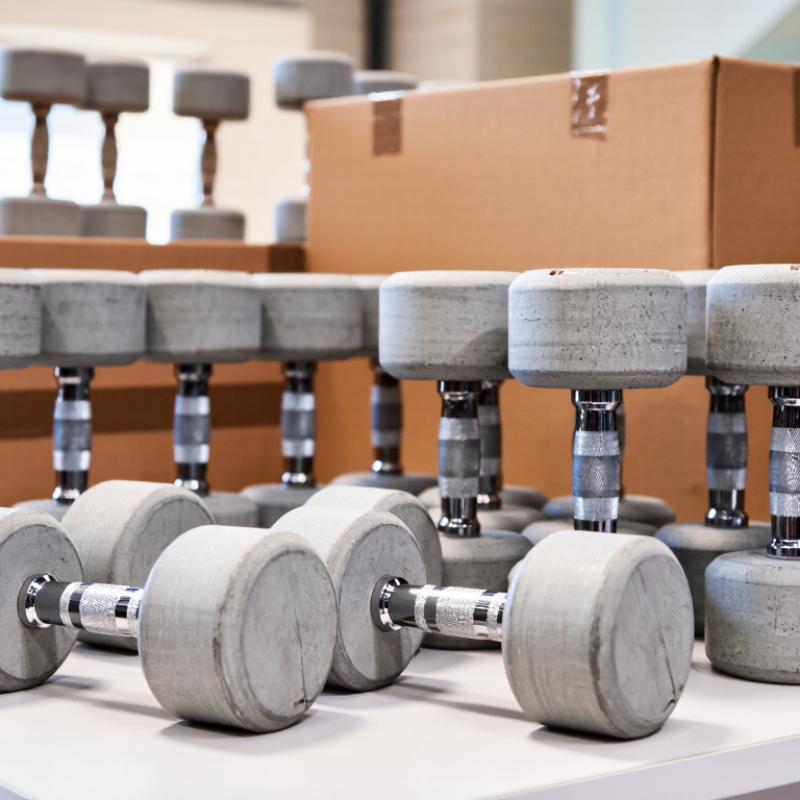
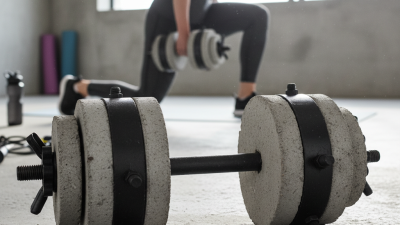
Cement dumbbells are strength-training weights made with a cement-based core inside a protective plastic or metal shell. They usually cost less than solid steel models, making them practical for home gyms, schools, hotels, and fitness distributors. Their wider shape can feel less balanced, though. That detail matters.
From sourcing experience, global buyers often choose cement dumbbells because shipping costs remain manageable and large orders are easier to package. A typical pair may use sealed edges, textured handles, and color-coded weight markings. Buyers should check core density, handle strength, surface finish, and weight tolerance before ordering. A five-kilogram dumbbell should not arrive noticeably lighter. Small cracks matter. Packaging also needs moisture protection, especially during long sea transport.
Tips: Request production samples and a recent inspection report. Test several weights, not only one pair. Confirm carton dimensions, stacking limits, and labeling requirements before shipment. Ask how suppliers handle damaged units and inconsistent weights. A low price can hide weak handles or poor sealing. I have seen attractive samples fail during repeated drops, so visual quality alone is not enough. The assumption is not always right. Reliable suppliers explain their materials, testing process, and quality controls clearly, even when a buyer asks difficult questions.
International buyers should evaluate cement dumbbell suppliers beyond catalog price. The Global Wellness Institute valued the global physical activity economy at about $1.1 trillion in 2023, signaling strong demand for accessible training products. However, cement dumbbells remain a loosely defined trade category. Customs databases rarely separate them clearly, so suppliers must provide precise material descriptions, weights, dimensions, and tariff classifications.
Request production evidence, not only polished photographs. A reliable supplier should show mold preparation, curing areas, weight checks, and drop-testing records. Ask whether each dumbbell is weighed after curing, because moisture loss can create noticeable differences between pairs. Surface cracks, loose handles, and uneven coatings deserve documented corrective action. ISO 20957-1 offers useful safety principles for stationary training equipment, although it may not fully cover cement-filled products. That limitation matters.
Export capability also requires careful verification. The UNCTAD Review of Maritime Transport reports that maritime shipping carries over 80% of global merchandise trade by volume, making packaging and container planning essential. Buyers should inspect carton compression tests, pallet stability, moisture protection, and spare-unit policies. Confirm lead times using recent shipment records. Not promises.
Payment terms, factory audits, test samples, and communication quality reveal operational maturity. Compare at least three suppliers using the same specification sheet. I would also calculate landed cost, including freight, duties, breakage, and local inspection. My own caution is simple: the cheapest quote can become the most expensive after one damaged container. Suppliers should provide traceable batch records and accept independent pre-shipment inspection. Reliability is demonstrated slowly.
Top Cement Dumbbell Suppliers for Global Buyers
The global cement dumbbell market is concentrated in China, India, Southeast Asia, and parts of Eastern Europe. China offers broad OEM capacity, flexible molds, and efficient export packaging. India has strong cement-processing experience and competitive pricing for medium-sized orders. Southeast Asian suppliers often serve nearby fitness distributors with shorter shipping routes. Eastern European manufacturers may provide faster delivery to regional buyers, though production volumes can be smaller.
Supplier types differ significantly. OEM factories can adjust weight labels, handle colors, and carton designs, but buyers should verify mold accuracy. Sporting-goods wholesalers offer mixed shipments and lower minimum quantities. Regional distributors provide local stock and easier communication, yet their prices may include several service layers. Reliable suppliers should provide product specifications, batch records, coating details, and clear inspection procedures. In practice, a 10-kilogram dumbbell should be checked for weight tolerance, surface cracks, handle alignment, and packaging strength. Small defects matter.
Tips: Request samples before placing a large order. Compare actual weight with stated weight. Test cartons with basic drop checks. Confirm moisture protection for sea freight. Ask how rejected units are handled. A factory video is useful, but it is not proof of consistent quality. Independent inspection may be worth the cost. Buyers should also review shipping schedules, port access, and replacement terms. Some suppliers look excellent during quotation, then respond slowly after payment; this risk deserves more attention.
Choosing a cement dumbbell supplier requires more than comparing unit prices. Inspect the concrete core, surface coating, handle grip, and weight tolerance. A reliable supplier should provide batch records and measured weight data. Ask for sample pieces before approving a large order. Feel the handle. Check for cracks, sharp edges, loose coating, and uneven balance. These small defects can become expensive returns.
Pricing should include tooling, packaging, inspection, freight, duties, and replacement allowances. A low quotation may exclude important costs. Compare the same weight range and packaging standard. Request a clear cost breakdown. Certifications also need careful checking. Confirm the issuing body, certificate scope, factory address, and validity period. ISO 9001 can support process control, but it does not prove every dumbbell is safe. Ask for material declarations and market-specific test reports where required. Independent laboratory testing offers stronger evidence than a supplier’s verbal promise.
Customization may cover colors, embossed logos, grip textures, carton artwork, and private-label packaging. Confirm minimum order quantities, mold fees, color references, and approval samples in writing. Production experience matters here. A custom handle can affect balance, comfort, and packing efficiency. I have seen attractive samples fail during transport because cartons lacked internal protection. That mistake is easy to repeat. Leave room for a pilot order, even when the factory appears experienced. Supplier communication, corrective-action speed, and inspection transparency often reveal more than a polished catalog.
International buyers should verify more than a supplier’s product photos. Request the factory address, production capacity, and recent shipment evidence. A live video inspection can reveal storage conditions, curing areas, and packing methods. Ask for cement composition, internal steel details, weight tolerance, dimensions, and surface finish. Small differences matter when a gym orders hundreds of pairs.
Samples should be tested before mass production. Check handle comfort, balance, coating adhesion, edge strength, and resistance to moisture. Request independent test reports when available. Confirm whether the stated weight includes the handle. This detail is often unclear. Compare the sample with the approved specification, not just the catalogue image. A polished sample may not represent normal production. That risk deserves attention.
International paperwork can delay an otherwise good order. Confirm the correct product classification, commercial invoice, packing list, certificate of origin, and insurance responsibility. Agree on Incoterms, payment stages, inspection rights, and the process for damaged goods. Ask about pallet size, container loading, carton strength, and humidity protection. Freight costs can change sharply after packaging is measured. Buyers should also check destination requirements with a qualified customs professional. Supplier references help, but they are not proof. Contact recent customers and ask about delivery accuracy, claims, and communication after payment. A lower price can become expensive when replacements, storage, or port delays appear.