Dumbbell Weights Tips for Effective Home Workouts?
Dumbbell weights have become essential tools for effective home workouts. According to the Global Fitness Equipment Market report, the demand for dumbbell weights increased by over 30% during the pandemic. This surge demonstrates a shift towards at-home fitness solutions. Expert fitness coach, Lisa Adams, states, “Dumbbell weights can transform a simple workout into a comprehensive strength-training session for all fitness levels.”
Incorporating dumbbell weights into your routine allows for versatility and adaptability. You can perform various exercises, targeting different muscle groups with just one equipment type. Many users, however, often underestimate the importance of proper form. This can lead to ineffective workouts or even injuries.
Effective use of dumbbell weights requires a conscious approach. Focusing on technique and gradually increasing weight can lead to better results. Challenges may arise as you progress, but they're vital for growth. Taking time to refine your method will maximize your home workout potential, making every rep count.
Choosing the Right Dumbbell Weight for Your Fitness Level
Choosing the right dumbbell weight for your fitness level is crucial for effective home workouts. Research shows that beginners often underestimate the weight they can handle. A study conducted by the American Council on Exercise reveals that those new to strength training should start with weights that allow them to perform 12 to 15 repetitions comfortably. This may range from 5 to 15 pounds, depending on individual strength.
As you progress, it’s important to listen to your body. If a weight feels too easy, you may not be challenging your muscles enough. Gradually increasing the dumbbell weight can enhance muscle strength and endurance. For instance, studies indicate that progressive overload can lead to a 15% increase in muscle strength in just a few weeks. Many home fitness enthusiasts make the mistake of sticking to the same weight for too long, resulting in a plateau.
It’s also vital to pay attention to form over weight. Lifting too much can lead to poor technique, which increases the risk of injury. A survey from the National Institute of Health suggests that improper form is a common issue among home workout enthusiasts. Reflecting on your workouts can help you identify when it’s time to adjust your weights or practice proper form. This reflection ultimately leads to better outcomes and a safer workout environment.
Dumbbell Weights Tips for Effective Home Workouts
| Fitness Level |
Recommended Dumbbell Weight |
Type of Exercises |
Tips |
| Beginner |
5-10 lbs |
Bicep Curls, Overhead Press |
Focus on form; increase weights gradually. |
| Intermediate |
10-20 lbs |
Bent-over Rows, Dumbbell Squats |
Incorporate supersets for more challenge. |
| Advanced |
20-35 lbs |
Deadlifts, Thrusters |
Consider variable weights for different exercises. |
| Expert |
35 lbs and above |
Snatches, Clean and Jerk |
Focus on explosive movements; ensure proper recovery. |
Understanding Proper Form for Safe Dumbbell Exercises
Proper form is crucial when performing dumbbell exercises at home. Incorrect techniques can lead to injuries and diminish workout effectiveness. A study by the American Council on Exercise reported that nearly 60% of participants did not maintain correct form while lifting. This highlights the importance of learning and practicing proper postures.
When doing exercises like dumbbell curls or shoulder presses, keep your core engaged. This stability helps maintain balance and supports your spine. Focus on slow, controlled movements rather than rushing through reps. Research shows that slow lifting increases muscle engagement, enhancing gains. Remember to breathe correctly too; exhale during exertion and inhale while returning to the starting position.
Additionally, start with lighter weights to master your form before progressing. Many individuals rush into heavier weights, which compromises their technique. Over 70% of gym injuries are associated with poor form. Reflect on your lifting habits. Are you prioritizing weight over technique? Building the right foundation can lead to more sustainable progress in your fitness journey.
Effective Dumbbell Exercises for Full-Body Workouts at Home
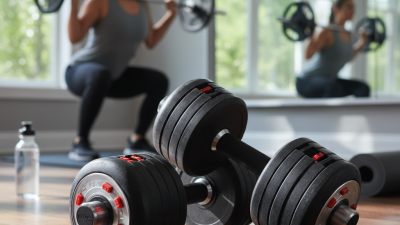
Dumbbell workouts are effective for building strength and improving fitness at home. To target your entire body, incorporate a mix of exercises. Start with basic movements like squats. Hold the dumbbells at your sides or at shoulder height. This exercise strengthens your legs and core while also enhancing overall stability.
Push-ups with dumbbells can also work well. As you perform a push-up, use the dumbbells as handles. This not only adds resistance but also engages your arms. Incorporate exercises like bent-over rows. With your knees slightly bent, pull the dumbbells toward your waist. This movement engages your back and biceps, promoting muscle growth.
Lastly, don't forget about form. It’s easy to overlook this, especially when you’re trying to lift heavier weights. Many face challenges maintaining proper technique as they increase intensity. Prioritize control and alignment to prevent injuries. If you're struggling with an exercise, consider adjusting the weight. Finding balance in your workouts is crucial for long-term success. Stay patient and consistent for the best results.
Creating a Balanced Dumbbell Workout Routine
Creating a balanced dumbbell workout routine is essential for maximizing effectiveness at home. A well-structured plan incorporates various exercises targeting different muscle groups. Consider push and pull movements. These may include dumbbell presses and rows. Mixing up your workout ensures all areas receive attention.
Include functional exercises to enhance daily activities. Lunges and squats with dumbbells challenge your core and legs. Don't overlook isolation exercises, too. Curls and tricep extensions help define your arms. Keep your sessions diverse and engaging to maintain motivation.
Start with lighter weights and focus on form. A common mistake is overestimating one's strength, which can lead to injury. Regularly evaluate your progress and adjust weights as needed. Additionally, consider variations in reps and sets to keep your muscles guessing. This will not only improve results but also add an element of challenge to your routine.
Tips for Progressing and Increasing Weight Safely
When progressing in your dumbbell workouts, start small and be mindful. Gradually increase weights to avoid injury. This slow progression helps your muscles adapt and grow stronger. Track your workouts and note the weights used. This will motivate you to push your limits safely.
Listening to your body is crucial. If you feel pain, reduce weight or take a break. Sometimes, less is more. Focus on form over the amount lifted. Quality is better than quantity. This approach can build a solid foundation, even if it feels frustrating at times.
Incorporating variety is essential. Change exercises regularly to challenge different muscle groups. This can keep your workouts engaging. Yet, be aware of plateauing. If progress stalls, evaluate your routine. Adjusting weights or methods can reignite progress. Reflecting on your journey adds to your growth in fitness.