How to Choose the Right Hex Dumbbell for Your Workout?
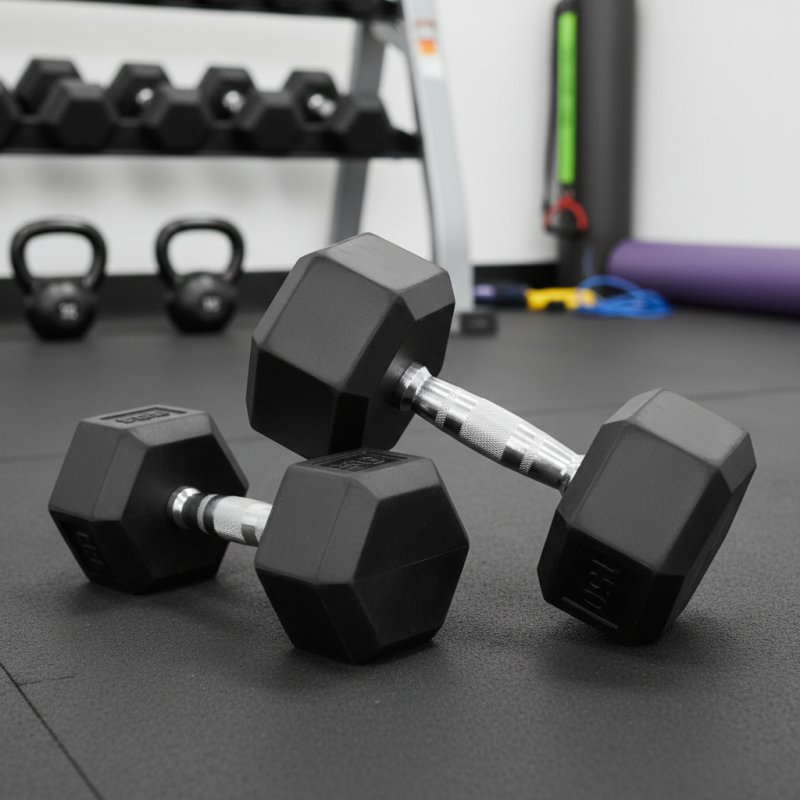
When it comes to strength training, choosing the right equipment is crucial. The Hex Dumbbell stands out among fitness tools. Its unique shape prevents rolling, making it ideal for various workouts. Whether you are a beginner or an experienced athlete, selecting the right Hex Dumbbell can make a significant difference in your routine.
Consider your fitness goals before purchasing. Do you want to build strength, tone, or increase endurance? Furthermore, think about your available space. Hex Dumbbells come in various weights. Picking the wrong weight can lead to ineffective workouts or even injury. You may regret buying without proper research.
Lastly, remember that quality matters. A cheap Hex Dumbbell might not withstand the test of time. Look for durable materials and good grip. Reflect on your needs and check reviews. Understand that this choice is personal and might require adjustments along the way.
Understanding the Different Types of Hex Dumbbells Available
When choosing hex dumbbells, it’s essential to understand the different types available. Hex dumbbells come in various materials. Common options include cast iron and rubber-coated versions. Cast iron is durable and often more affordable. Rubber-coated dumbbells provide better grip and reduce noise. Consider which material suits your workout environment best.
Weight increments are another important factor. Dumbbells typically come in weights ranging from 1 to 100 pounds or more. Some people go for lighter weights for toning, while others need heavier sets for strength training. A mixed set can be beneficial for varying routines. However, it’s essential to reflect on your personal fitness goals and choose accordingly.
Lastly, the shape and design can influence your workout. Standard hex dumbbells are versatile. Yet, adjustable dumbbells offer more flexibility. Their mechanisms can be tricky though. They require careful handling and maintenance. Choosing the right type means weighing all these aspects for a better workout experience.
Assessing Your Fitness Goals and Training Needs
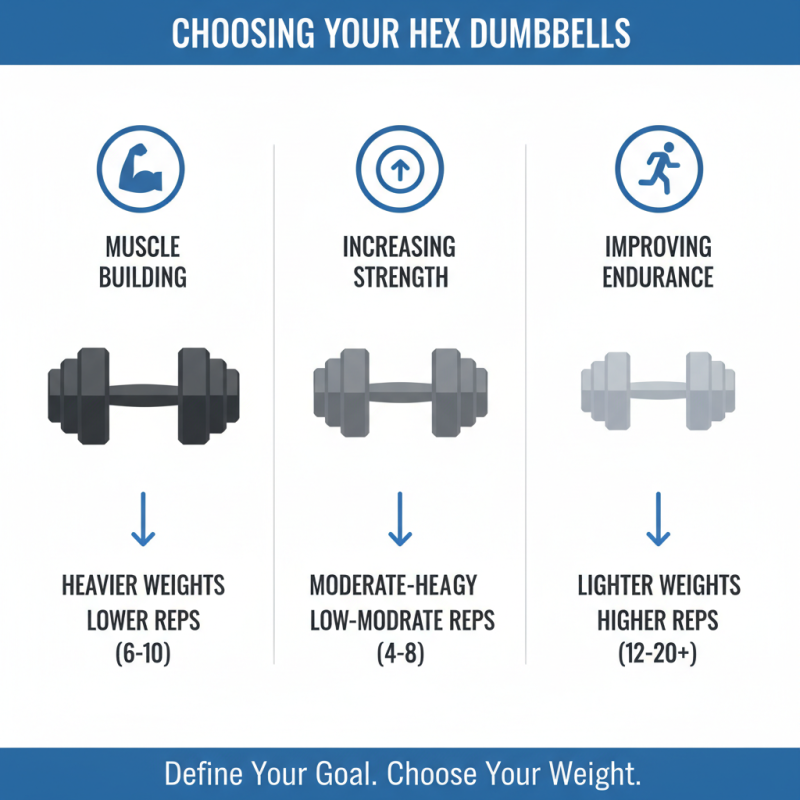
Choosing the right hex dumbbell starts with understanding your fitness goals. Are you building muscle, increasing strength, or improving endurance? Each goal requires a different approach to weights. For muscle building, heavier weights with lower repetitions might be ideal. For endurance, lighter weights with higher repetitions could be more effective.
Think about your current fitness level too. If you're a beginner, starting with lighter dumbbells is important. Progress slowly to avoid injury. Consider how often you'll be working out. If training regularly, investing in a range of weights can help. You might find that your needs change over time, making adjustments necessary. Reflect on your routine and evaluate what feels right. Remember, the perfect weight is one that challenges you but still allows for good form.
Determining the Appropriate Weight Range for Your Workouts
Choosing the right weight for hex dumbbells is crucial for effective workouts. The American Council on Exercise recommends a weight range based on experience. Beginners may start with 5-10 pounds. More advanced lifters often use 15-25 pounds. This means you must assess your current fitness level.
It is important to find a weight that challenges you but allows for proper form. According to the National Strength and Conditioning Association, a weight that allows for 8-12 repetitions is ideal for muscle growth. If you can easily do more than 12 reps, it’s time to increase the weight.
Many people underestimate their strength. You might think you need lighter weights. However, pushing a bit harder can yield better results. But, rushing to heavier weights can lead to injuries. Always listen to your body. Gradually increase the weight as you build strength. This creates a balanced workout routine that is both effective and safe.
How to Choose the Right Hex Dumbbell for Your Workout? - Determining the Appropriate Weight Range for Your Workouts
| Experience Level |
Weight Range (lbs) |
Recommended Exercises |
Suggested Rep Range |
| Beginner |
5 - 15 |
Bicep curls, Shoulder press, Tricep extensions |
10 - 15 |
| Intermediate |
15 - 30 |
Bench press, Bent-over rows, Lunges |
8 - 12 |
| Advanced |
30 - 50 |
Deadlifts, Squats, Chest fly |
6 - 10 |
| Senior |
2.5 - 10 |
Light curls, Shoulder raises, Leg lifts |
12 - 15 |
Evaluating the Design and Grip Features of Hex Dumbbells
When choosing a hex dumbbell, you must evaluate its design and grip features closely. The right grip can make or break your workout. Look for a textured surface that provides a strong hold. A comfortable grip reduces the risk of slips. This is crucial for safety.
Pay attention to the shape of the dumbbell. Hex-shaped designs prevent rolling during rest periods. This unique design is ideal for floor exercises. A dumbbell that stays put allows for seamless transitions during your workout. Consider the weight options available as well. You might start with lighter weights, but heavier options are beneficial as you progress.
Tips: Always test the grip of a dumbbell before making a purchase. If it feels awkward, it might not suit you. Ensure the weight range aligns with your fitness goals. Inconsistencies in your grip can lead to uneven workouts and potential injuries. Choose wisely.
Considering Budget and Brand Value in Your Purchase Decision
When considering purchasing a hex dumbbell, budget plays a crucial role. Deciding how much you can spend helps narrow down options. Remember, high price does not always mean better quality. Sometimes, affordable options offer good durability. It's wise to do some research. Many budget-friendly brands provide great value without compromising performance.
Think about the long-term investment. A cheaper dumbbell may wear out faster. If you frequent the gym, durability is key. Evaluate the material and finish. A well-made dumbbell may save money in the end. Additionally, purchasing from brands with solid reputations can offer peace of mind.
Tips for selecting hex dumbbells: check customer reviews. They reveal real experiences with certain models. Compare the warranty options as well. A longer warranty often indicates brand confidence. Finally, consider the design for comfort during workouts. Your grip matters. Cheap options might feel awkward. Then, your workout efforts could be affected. Always seek financial balance with product quality.
Hex Dumbbell Price Comparison by Weight
This chart illustrates the average prices of hex dumbbells based on their weights. As the weight increases, the price tends to rise as well, which is a common trend in fitness equipment purchases. Consider your budget and the weights you need before making a decision.