How to Choose the Best Hex Dumbbell for Your Workout Needs?
Choosing the right Hex Dumbbell can significantly impact your workout experience. With a wide variety of options, finding the perfect pair may seem daunting. It's vital to consider your fitness goals, current strength level, and the types of exercises you plan to perform.
A Hex Dumbbell is not just a tool; it's an investment in your health. The design of these dumbbells ensures stability and ease of use. Many users appreciate their versatility for both strength training and cardio workouts. However, not every model will meet everyone's needs. Some styles may be difficult for beginners to handle effectively.
Look for Hex Dumbbells that offer a comfortable grip and durable materials. It's also essential to assess the weight increments available. Your choice should align with your progression in strength training. Reflecting on your specific requirements will lead to a more satisfying workout experience. Remember, the best choice is one that fits your personal fitness journey.
Factors to Consider When Choosing Hex Dumbbells
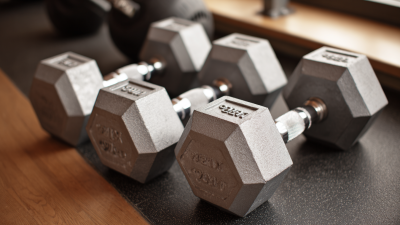
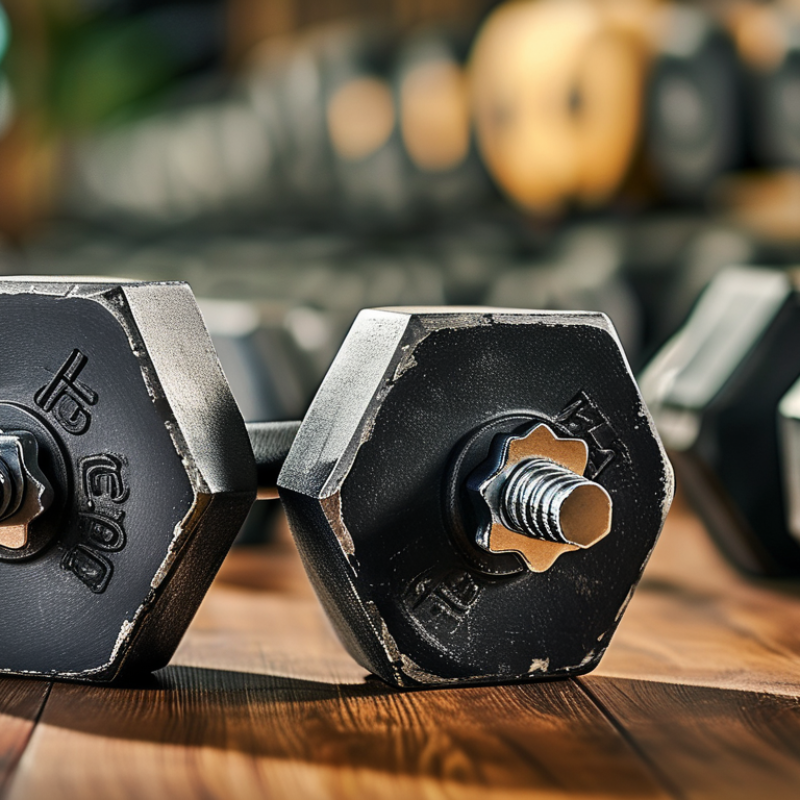
When selecting hex dumbbells, consider various factors to ensure they meet your workout needs. The material is crucial. Most hex dumbbells are made from cast iron or rubber. Rubber coatings offer better grip and reduced floor damage. According to fitness industry reports, rubberized dumbbells have gained popularity due to their durability and ease of use.
Weight range matters significantly. A versatile dumbbell set allows users to progress effectively. Research indicates that beginners often start with lighter weights, around 5-10 pounds, while intermediate lifters may need 15-30 pounds. Selecting the right range helps avoid injury and supports muscle growth.
Tip: Always test the grip. A comfortable grip can enhance your performance and longer workout sessions. It’s essential to ensure that the weight feels balanced and allows for proper form.
Examine the size and shape of the hex dumbbells. Some users prefer more compact designs. While standard hex designs work well for most, others may find larger ones challenging to control. Remember, not every option suits everyone. Taking time to test different weights and designs is crucial for choosing the best fit.
How to Choose the Best Hex Dumbbell for Your Workout Needs? - Factors to Consider When Choosing Hex Dumbbells
| Factor |
Description |
Importance |
| Weight Options |
Choose weights that match your strength level and workout goals. |
High |
| Grip Quality |
Consider rubberized or textured grips for better handling and comfort. |
Medium |
| Material |
Look for durable materials that can withstand wear and tear. |
High |
| Size and Shape |
Hex-shaped dumbbells are stable and prevent rolling. |
Medium |
| Price |
Select from various price ranges based on your budget. |
Medium |
| Brand Reputation |
Consider brands known for quality and customer feedback. |
Low to Medium |
Types of Materials Used in Hex Dumbbells
When selecting hex dumbbells, the material can greatly impact your workout experience. Common materials include rubber, cast iron, and urethane. Rubber hex dumbbells are popular for their durability and noise reduction. They are often used in home gyms and commercial settings alike. However, rubber can wear over time, especially with heavy use. It’s essential to consider your workout environment.
Cast iron hex dumbbells are sturdy and often more affordable. They deliver solid performance for strength training. Yet, they can chip and rust if not properly maintained. Reports suggest that many users appreciate the grip provided by textured finishes. This can enhance safety during lifts, reducing the risk of accidents.
Urethane offers another level of protection and longevity. It resists scratches and is easier to clean. Manufacturers claim that urethane can last up to five times longer than rubber. However, this increased durability often comes with a higher price tag. Balance your budget with your fitness goals. Each material serves a purpose, and understanding these nuances is crucial. There's no perfect choice—only what suits your needs best.
Understanding Weight Range Options for Hex Dumbbells
When selecting hex dumbbells, understanding weight range options is essential. Most manufacturers offer a variety ranging from 5 to 100 pounds. According to a report by the International Health, Racquet & Sportsclub Association (IHRSA), the average lifter often prefers weights between 10 to 30 pounds for general workouts. This range is suitable for building muscle and enhancing endurance.
Picking the right weight can be challenging. Many beginners tend to underestimate their capabilities. Choosing a weight that allows for 8-12 repetitions with good form is recommended. If you can perform more than 15 repetitions, consider increasing the weight. Regularly assessing your strength level can help you make better choices.
Tips: Start with lighter weights. Gradually increase as your strength improves. This strategy prevents injuries and maximizes gains. Always maintain proper form to ensure safety during your workout. Remember, it’s okay to adjust your weights frequently. Regular reflection on your progress is crucial for sustained improvement. Be mindful of your body’s signals; it will guide you in making appropriate adjustments.
The Importance of Grip and Handle Design
When choosing hex dumbbells, grip and handle design are crucial. A well-designed handle enhances the workout experience. Professionals recommend a diameter of 1.5 to 2 inches for optimal grip. This size accommodates various hand sizes and promotes proper form during exercises. A comfortable grip reduces the risk of slippage and injury, which is essential for both novice and experienced lifters.
Moreover, textured surfaces on handles increase friction. This feature lets users maintain a secure grip during sweaty workouts. A study by the National Strength and Conditioning Association (NSCA) indicates that 68% of injuries stem from poor grip during resistance training. A thoughtful design can mitigate this risk while enabling users to lift heavier weights.
Users should also consider handle length. Handles that are too short can feel restrictive, while overly long handles may hinder control. The optimal length varies but generally ranges between 5 to 6 inches. This balance helps maintain proper wrist alignment. Experimentation can reveal personal preferences, enhancing overall performance.
Evaluating Space and Storage Needs for Hex Dumbbells
When evaluating space and storage needs for hex dumbbells, measuring your workout area is crucial. Many fitness experts recommend allocating a minimum of 24 square feet. This space allows for safe movement and proper exercise form. In small home gyms, consider vertical storage options. Wall-mounted racks or tiered shelves can maximize space without compromising accessibility.
Organization plays a key role in maintaining a tidy workout environment. Research shows that a clutter-free space enhances motivation by 27%. Stackable hex dumbbells are often a good choice due to their design, which allows efficient storage. Placing heavier weights on the bottom can prevent tip-overs, ensuring both safety and convenience.
Reflecting on personal workout habits can also guide your choice. If your routines vary, adjustable shelving may serve you best. A survey found that 68% of users prefer flexible storage solutions that accommodate their changing fitness needs. Keeping your gym organized not only supports your workouts but encourages long-term commitment.