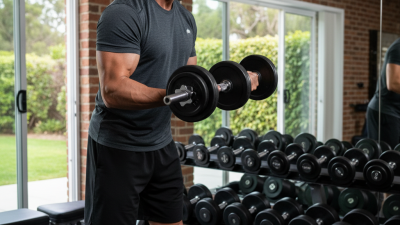
Choosing Chrome Dumbbells for wholesale distribution is not simply a matter of selecting the brightest finish. Buyers must evaluate durability, user comfort, supplier consistency, and total landed cost before placing a large order. A polished surface may attract attention, but poor plating can reveal scratches, rust spots, or uneven edges after repeated handling. That detail matters in commercial gyms and retail displays.
An experienced buyer should inspect the dumbbell head, handle connection, knurling pattern, and weight tolerance. Request clear product samples, inspection photographs, and recent quality records from the manufacturer. Check whether the chrome layer remains smooth after cleaning and whether the handle provides secure grip during sweaty workouts. Small packaging details also deserve attention. Individual sleeves, reinforced cartons, and molded separators can reduce shipping damage.
Do not trust appearance alone.
Wholesale decisions should also consider minimum order quantities, production capacity, replacement policies, and delivery reliability. A supplier with responsive communication is often more valuable than one offering the lowest quotation. However, even reliable suppliers can make mistakes, so specifications should be written clearly and confirmed before production. Weight markings, logo placement, carton dimensions, and acceptable tolerance need practical agreement.
This guide explains how to compare Chrome Dumbbells with greater confidence. It combines hands-on inspection methods, manufacturing considerations, and purchasing experience. There is no universal best option. The right choice depends on your market, budget, storage conditions, and customers’ training habits. A careful evaluation may take longer, but it can prevent expensive returns and disappointing repeat orders.
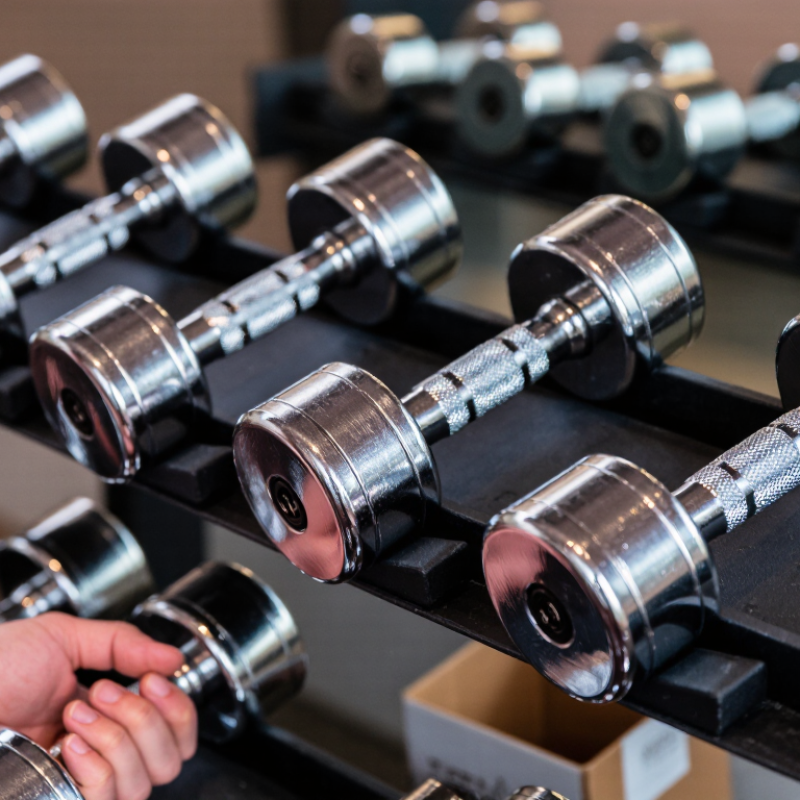
When choosing chrome dumbbells for wholesale, begin with their type and intended training use. Fixed hex dumbbells resist rolling and suit busy commercial gyms. Round dumbbells feel traditional and support smooth storage on suitable racks. Adjustable chrome dumbbells save space, but their locking parts require closer inspection. They may slow quick equipment changes.
Construction matters more than a bright surface. Most fixed models use a cast iron or steel core with chrome plating. The core should feel dense, balanced, and free from hollow sounds. Inspect the handle connection carefully. A pressed or welded joint must show no movement under moderate hand pressure. Check the ends.
The chrome layer should look even around corners, handles, and weight markings. Thin plating can expose rough metal after repeated contact with racks. A practical buyer should check knurling depth, handle diameter, and weight tolerance across several samples. A handle that feels comfortable for one tester may feel too narrow for another. That is worth recording, not guessing.
In warehouse inspections, I prefer testing random units from different cartons. This reveals packing damage and production variation. Ask for plating thickness data, core material details, and inspection records. Still, paperwork is not proof by itself. I once accepted a visually attractive sample with uneven handle alignment; it passed a quick check but felt unstable during curls. Wholesale decisions need both measurements and hands-on testing.

Weight range should match real training habits, not only catalog aesthetics. The 2024 SFIA Topline Report recorded 61.9 million U.S. participants in traditional strength training during 2023. That figure supports broad demand for accessible resistance equipment. Wholesale buyers should consider sets from 2.5 to 25 kilograms, then add heavier pairs when the target market includes gyms. Mixed increments reduce inventory gaps and make retail bundles easier to build. I would test whether each pair feels balanced, because identical listed weights can still handle differently.
Size matters when storage space and shipping costs are tight. A compact dumbbell is easier to rack, carton, and display. However, overly short heads may limit clearance during presses or rows. Measure the head diameter and overall length, then compare them with standard racks. The ACSM 2024 Worldwide Survey placed traditional strength training among leading fitness trends, but trends do not reveal every buyer’s room size. That is where product trials matter.
Handle design affects comfort, control, and repeat purchases. A medium-length handle with moderate knurling usually supports secure gripping without creating harsh pressure points. Chrome finishes should be smooth, but not slippery when hands become damp. Inspect handle-to-head joints for movement after repeated drops; this test is imperfect, yet revealing. Some buyers may prefer aggressive knurling. Others will reject it quickly. Offer both where order volume allows, and record return reasons instead of trusting assumptions.
How to Choose Chrome Dumbbells for Wholesale Buyers?
Checking Chrome Finish, Durability, and Safety Standards
A bright chrome finish attracts buyers, but appearance alone proves very little. Inspect each sample under strong, angled light. Look for bubbles, dull patches, scratches, exposed steel, and uneven plating around the handle. The surface should feel smooth, without sharp edges or raised seams. Check the handle carefully. It should provide a stable grip, even when hands become sweaty.
Durability testing should reflect warehouse handling and repeated customer use. Ask for coating adhesion results, corrosion testing, and impact-test records from an independent laboratory. A chrome dumbbell may look perfect after one inspection, yet fail after months in humid storage. That possibility deserves attention. Review the supplier’s material declaration, production controls, batch records, and replacement policy. A small sample cannot represent every carton.
Not enough.
Confirm that the dumbbells meet applicable safety standards in each destination market. Request current test reports, weight-tolerance data, and evidence of secure weight attachment. Check rounded ends, firm grips, accurate markings, and stable construction. During a practical review, place several units on a flat surface and compare their balance. I would also open random cartons, because polished samples can hide inconsistent bulk quality. This step takes time, but skipping it may create costly returns. One weakness remains: laboratory results cannot replace regular factory inspections. Recheck the process before placing large orders.
| Evaluation Dimension | What to Check | ||
|---|---|---|---|
| Chrome Plating Type | Confirm whether the handle uses decorative chrome plating or a thicker hard-chrome process. The plating structure should be clearly specified, including the base material and any nickel or copper underlayer. | For general fitness dumbbells, request a documented decorative-chrome specification. Hard chrome is more suitable when the handle is exposed to unusually heavy abrasion. | Request the plating process sheet, coating cross-section information, and a sample for visual and laboratory review. Do not accept “chrome finish” as the only specification. |
| Chrome Thickness | Coating thickness affects corrosion resistance and wear life. Decorative chrome is normally much thinner than hard chrome and should not be evaluated by appearance alone. | Use the supplier’s declared thickness as a purchasing specification. Typical decorative chrome may be below 1 micrometre, while hard chrome is commonly several micrometres to tens of micrometres; the exact value depends on the process and application. | Measure representative samples with X-ray fluorescence, magnetic induction, or another suitable coating-thickness method. Test several areas, including edges and knurling. |
| Surface Coverage | Check for bare spots, pinholes, blistering, pits, discoloration, rough patches, sharp plating edges, and uneven coverage around the handle shoulders. | No visible base-metal exposure, peeling, blisters, open corrosion spots, or sharp coating defects on user-contact surfaces. | Inspect under bright, neutral lighting. Rotate every sample and inspect the handle, end faces, corners, weld areas, and transitions between the handle and weight heads. |
| Corrosion Resistance | Chrome should remain bonded and free from significant red rust after exposure to sweat, humidity, and storage conditions. | Set a written salt-spray or cyclic-corrosion requirement based on the intended market and packaging conditions. Salt-spray hours are comparative test data, not a direct prediction of service life. | Use a recognized corrosion-test procedure such as ASTM B117 when appropriate, and define the test duration, sample preparation, exposed area, and acceptable corrosion rating in the purchase agreement. |
| Adhesion of Plating | The chrome layer must not flake, blister, or separate from the substrate during normal handling, impact, or repeated use. | No lifting, peeling, or flaking after the agreed adhesion test. The acceptance criterion should be written before mass production. | Use a suitable coating-adhesion method, such as a cross-hatch test where the coating system and substrate make that method appropriate. For curved or textured surfaces, use a validated alternative. |
| Handle Knurling | Knurling should provide grip without sharp burrs, loose plating flakes, or excessive roughness that can damage the hands during repeated lifting. | Consistent knurling across the handle, with rounded or properly finished edges and no detectable cutting points when checked with a gloved hand. | Conduct a visual inspection and manual glove test. Check several positions along the handle and test after plating, not only before plating. |
| Weight Accuracy | Actual mass should correspond to the marked nominal mass. Weight variation can affect training consistency and inventory control. | A common procurement target is within ±2% of the marked weight for individual dumbbells, unless the buyer specifies a tighter tolerance. | Weigh samples on a calibrated scale suitable for the product range. Record nominal mass, actual mass, sample quantity, and tolerance results. |
| Structural Integrity | The handle, weight heads, welds, press fits, and other joints must withstand repeated drops, impacts, and lifting loads without loosening or cracking. | Define a product-specific impact and repeated-load test. After testing, there should be no detached parts, structural cracks, dangerous deformation, or loosened heads. | Use a documented internal test plan that reflects the dumbbell’s mass and intended use. Inspect and re-weigh products after testing to identify hidden loosening. |
| Edge and End-Face Safety | Ends, corners, and transitions should not create cutting, pinching, or snagging hazards during handling and storage. | All user-contact edges should be free from sharp burrs and loose fragments. The product should remain stable when placed on a flat surface. | Perform visual inspection, glove testing, and a flat-surface stability check. Include end faces and areas hidden by packaging in the inspection plan. |
| Chemical and Sweat Resistance | The finish should tolerate normal cleaning and contact with perspiration without rapid discoloration, flaking, or surface corrosion. | Specify the permitted cleaning agents, contact time, and number of wipe cycles. Avoid approving a finish only because it looks bright when new. | Test samples with the cleaning solution intended for the target market, followed by visual inspection and adhesion checks. Review the supplier’s safety data for any cleaning chemicals. |
| Packaging Protection | Packaging must prevent metal-to-metal contact, impact damage, moisture accumulation, and rubbing during transport. | Use separators or protective sleeves between pieces, moisture-resistant outer cartons, and packaging strong enough for the product weight and shipping route. | Conduct a transport simulation or drop test appropriate to the package size and shipping method. Inspect the chrome finish immediately after unpacking. |
| Safety Documentation | The supplier should provide product specifications, inspection records, material information, warnings, and traceability documents. | Review applicable requirements in the destination market. ISO 20957-1 provides general safety principles for stationary training equipment, but free-weight products may require additional product-specific risk assessment and local compliance review. | Request a declaration of conformity where applicable, test reports, batch or lot identification, user instructions, care guidance, and documented corrective-action procedures. |
Wholesale buyers should compare the complete cost, not only the unit price. Ask suppliers for tiered pricing at different quantities, such as 100, 500, and 1,000 pairs. A lower quote may exclude cartons, pallet fees, or export handling. Request a written quotation with product weight, finish, dimensions, and delivery terms.
Chrome dumbbells should have an even surface, secure handles, and clean weight markings. A sample inspection can reveal defects that photos hide.
Packaging directly affects your losses. Individual sleeves may protect the chrome finish, while stronger cartons reduce damage during stacking. Ask how many pairs fit into each carton and check the carton’s gross weight. I once underestimated this detail, and warehouse handling became more expensive than expected.
The minimum order quantity also needs careful review. A small MOQ may suit a test order, but a larger MOQ often improves pricing. However, excess inventory can block cash for months.
Tips:
Compare landed cost per pair.
Confirm carton photos and dimensions.
Ask whether replacement units are available for transit damage.
Negotiate a trial order before committing to volume.
Keep written records of every specification.
A supplier’s quick reply is useful, but consistent documentation is more reliable.
For wholesale buyers, choosing chrome dumbbells starts with finding a dependable supplier. Product appearance matters, but consistency matters more. A bright chrome finish should resist flaking, while handles should feel secure during repeated use. Ask for samples from different production batches. One sample can hide problems.
An experienced supplier should provide clear material details, weight tolerances, coating specifications, and packaging plans. Request inspection records before placing a large order. Check whether the supplier can explain how they control welding, polishing, and final weight checks. Reliable communication is equally important. Replies should include dates, quantities, and practical solutions, not vague promises. Small details reveal working habits.
Look beyond the lowest quotation. A cheaper unit price may bring higher replacement costs later. Compare lead times, carton strength, labeling accuracy, and after-sales support. Confirm the supplier’s production capacity during busy seasons. Ask how they handle damaged goods or inconsistent finishes. Their answer shows accountability. No supplier is perfect. I have seen promising samples followed by uneven bulk production, so written quality standards are essential. Keep approval samples, inspection photos, and agreed tolerances in your records. This creates evidence for future discussions and protects long-term purchasing decisions. A trial order may feel slower, but it exposes weaknesses before they affect an entire shipment.
Suggested buyer weighting model for selecting a reliable supplier for long-term business needs
Product consistency and coating durability receive the highest weights because accurate dumbbell weights, secure chrome finishing, and resistance to corrosion directly affect customer satisfaction and repeat orders. Landed cost, delivery reliability, minimum order quantity, and packaging should also be reviewed before signing a long-term wholesale agreement.